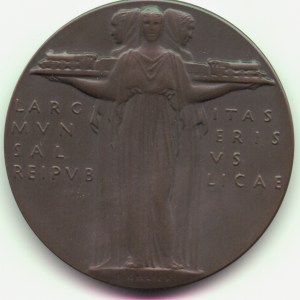

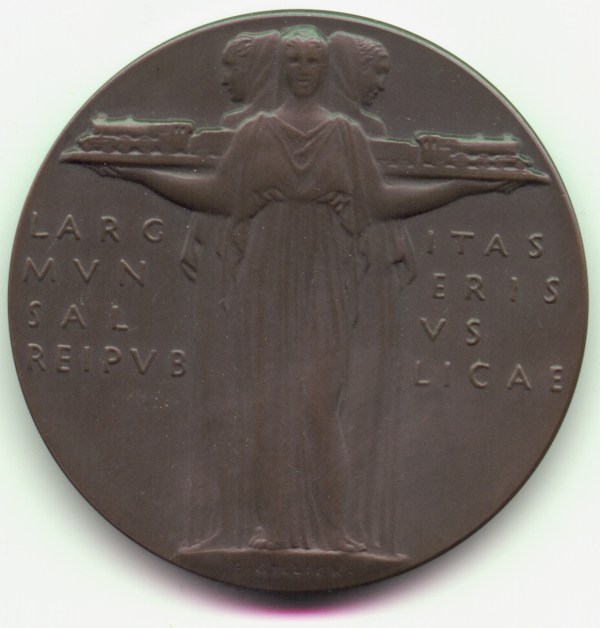

George V, 1926, AE51
$119.00
BHM4210 Wt. 62.62gr. National Strike medal. Awarded to those workers and volunteers who worked during the general shutdown. The First World War left Britain financially ruined with an entire generation of its young men dead, maimed or psychologically scarred. The Great War had destroyed the empires of Austria-Hungary, the Ottomans, Germany and Russia. Entire populations suddenly found themselves in uncharted political waters roiled by the violence of Bolsheviks and Socialists challenging the old order. Great Britain was hit by a series of labor strikes starting in 1919 and an armed rebellion in Ireland in 1920. Things only got worse with an economic depression that began in 1921, brought on by protectionism and a deliberate policy of deflation. The resulting unemployment coupled with a decrease in wages, triggered a series of general strikes in the key industries of coal and rail transportation. It culminated in the General Strike of 1926. The strike started on 1 May 1926 with a widespread walkout by 1 million coal miners protesting low wages. Two days later the British Trade Union Congress (TUC) called for a national strike which shutdown wide sectors of the British economy including bus, truck and rail transport, the fledgling electric industry and iron and steel production. In the early 20th century food refrigeration was very limited so the food supply in major cities was quickly depleted by the transportation shutdown. The government used the military to restore food supplies and called for civilian volunteers to drive buses and lorries. These volunteers served at their own peril and were often waylaid and beaten by striking union members. This medal is cased and is struck with a blackened matte finish and is also accompanied by a letter thanking the volunteer for his service. A common medal (7300 struck) made very rare by the letter. FDC
BHM4210 Wt. 62.62gr. National Strike medal. Awarded to those workers and volunteers who worked during the general shutdown. The First World War left Britain financially ruined with an entire generation of its young men dead, maimed or psychologically scarred. The Great War had destroyed the empires of Austria-Hungary, the Ottomans, Germany and Russia. Entire populations suddenly found themselves in uncharted political waters roiled by the violence of Bolsheviks and Socialists challenging the old order. Great Britain was hit by a series of labor strikes starting in 1919 and an armed rebellion in Ireland in 1920. Things only got worse with an economic depression that began in 1921, brought on by protectionism and a deliberate policy of deflation. The resulting unemployment coupled with a decrease in wages, triggered a series of general strikes in the key industries of coal and rail transportation. It culminated in the General Strike of 1926. The strike started on 1 May 1926 with a widespread walkout by 1 million coal miners protesting low wages. Two days later the British Trade Union Congress (TUC) called for a national strike which shutdown wide sectors of the British economy including bus, truck and rail transport, the fledgling electric industry and iron and steel production. In the early 20th century food refrigeration was very limited so the food supply in major cities was quickly depleted by the transportation shutdown. The government used the military to restore food supplies and called for civilian volunteers to drive buses and lorries. These volunteers served at their own peril and were often waylaid and beaten by striking union members. This medal is cased and is struck with a blackened matte finish and is also accompanied by a letter thanking the volunteer for his service. A common medal (7300 struck) made very rare by the letter. FDC
Related products
-
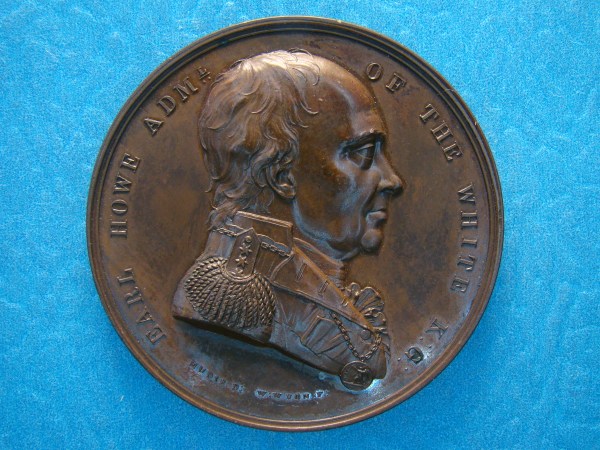
Admiral Howe, 1794, AE42
$349.00 -
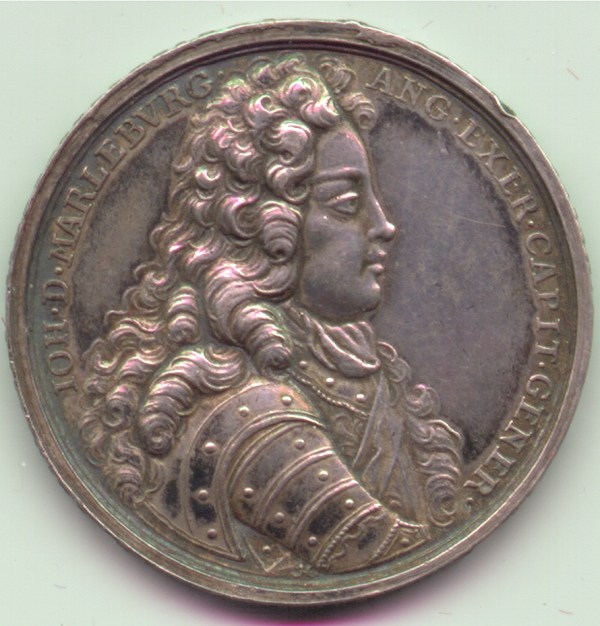
Anne, 1704, AR37, Battle of Blenheim
$960.00 -
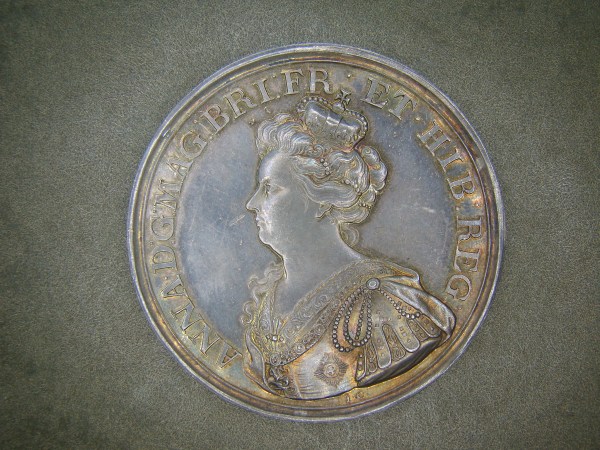
Anne, 1707, AR47, Mint State Union Medal
$5,350.00 -

Anne, 1709, Tournai Captured SOLD
$425.00