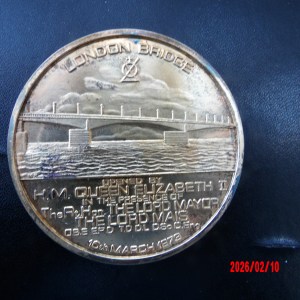
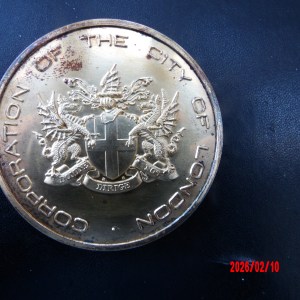
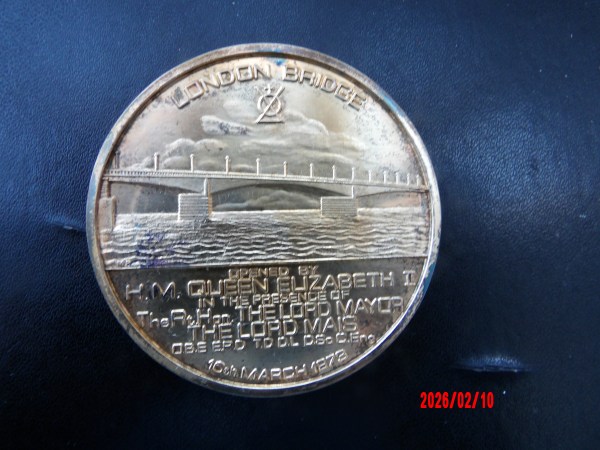
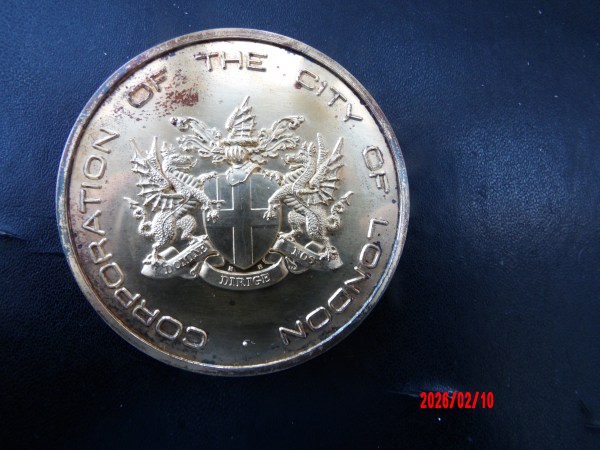
Elizabeth II, 1973, Gilt AR51
$145.00
EIMER2127 Wt. 54.04gr. Re-opening of the London Bridge by Queen Elizabeth on 16 March 1973. This was the third reiteration of this bridge in stone, proceeded by an unknown number of wooden bridges likely starting with a pontoon bridge built by Roman engineers in 43AD. The first stone bridge was finally started in 1176 during the reign of Henry II, but not completed until 1209. The bridge was about 930 feet long and had nineteen piers supported by wooden piles, its width varied from 20-24 feet. On one end of the bridge was a chapel dedicated to the new martyr Thomas A Becket, in the middle there was a wooden drawbridge with tower and along the span houses were soon rising. These houses and shops grew in number with their rents and proceeds used for bridge maintenance. By the late 14th century the number of houses had increased to 140 and by 1616 the average height of each house was five stories. The bridge partially collapsed twice, once in 1281 involving five spans and another in 1437 when two spans collapsed. In 1305 decorative touches were added when the head of William Wallace was placed on a pike and displayed at the drawbridge tower. Such displays flourished over the centuries so that in 1598 a German vising London noted that there were over 30 heads on display. This practice continued until 1661 when the grisly display of severed head was moved to the Temple Bar. The building of homes and shops got a bit more crazy as structures were widened over the sides of the bridge. By 1735 portions of the span had begun to noticeably sag and offic1als decided that it was time to clear the bridge of structures. Demolition of these building was completed in 1761 and the roadway was widened to 46 feet. However the bridge was deteriorating and upkeep was expensive and so it was decided to build a New London Bridge. This new bridge was sited about 100 feet upstream consisted of five arches, was about 928 feet long and 46 feet wide and was built all in stone. Construction started in 1825 and was completed in 1831. By 1925 engineers noticed that the new bridge was sinking into the mud of the Thames, replacement was inevitable. The Modern London bridge was constructed from 1967 to 1973 and the New London Bridge was bought by American entrepreneur, Robert McCulloch who reconstructed it in Lake Havasu, Arizona. This medal is struck in silver gilt and comes with its original case and certificate. it is stamped 973 on edge and is one of 2250 issued. The gold gilt was applied rather thinly allowing some tarnished silver to bleed thru. Ex Baldwins Auction 14-15 Oct 2002, lot 1142 Contains 1.61 troy ounces of pure silver. NFDC
EIMER2127 Wt. 54.04gr. Re-opening of the London Bridge by Queen Elizabeth on 16 March 1973. This was the third reiteration of this bridge in stone, proceeded by an unknown number of wooden bridges likely starting with a pontoon bridge built by Roman engineers in 43AD. The first stone bridge was finally started in 1176 during the reign of Henry II, but not completed until 1209. The bridge was about 930 feet long and had nineteen piers supported by wooden piles, its width varied from 20-24 feet. On one end of the bridge was a chapel dedicated to the new martyr Thomas A Becket, in the middle there was a wooden drawbridge with tower and along the span houses were soon rising. These houses and shops grew in number with their rents and proceeds used for bridge maintenance. By the late 14th century the number of houses had increased to 140 and by 1616 the average height of each house was five stories. The bridge partially collapsed twice, once in 1281 involving five spans and another in 1437 when two spans collapsed. In 1305 decorative touches were added when the head of William Wallace was placed on a pike and displayed at the drawbridge tower. Such displays flourished over the centuries so that in 1598 a German vising London noted that there were over 30 heads on display. This practice continued until 1661 when the grisly display of severed head was moved to the Temple Bar. The building of homes and shops got a bit more crazy as structures were widened over the sides of the bridge. By 1735 portions of the span had begun to noticeably sag and offic1als decided that it was time to clear the bridge of structures. Demolition of these building was completed in 1761 and the roadway was widened to 46 feet. However the bridge was deteriorating and upkeep was expensive and so it was decided to build a New London Bridge. This new bridge was sited about 100 feet upstream consisted of five arches, was about 928 feet long and 46 feet wide and was built all in stone. Construction started in 1825 and was completed in 1831. By 1925 engineers noticed that the new bridge was sinking into the mud of the Thames, replacement was inevitable. The Modern London bridge was constructed from 1967 to 1973 and the New London Bridge was bought by American entrepreneur, Robert McCulloch who reconstructed it in Lake Havasu, Arizona. This medal is struck in silver gilt and comes with its original case and certificate. it is stamped 973 on edge and is one of 2250 issued. The gold gilt was applied rather thinly allowing some tarnished silver to bleed thru. Ex Baldwins Auction 14-15 Oct 2002, lot 1142 Contains 1.61 troy ounces of pure silver. NFDC
Related products
-
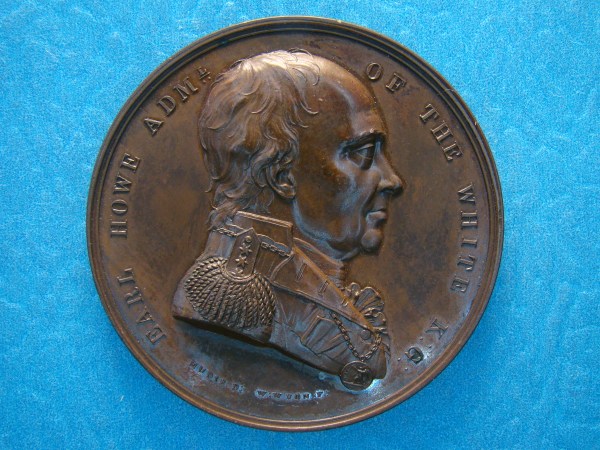
Admiral Howe, 1794, AE42
$349.00 -
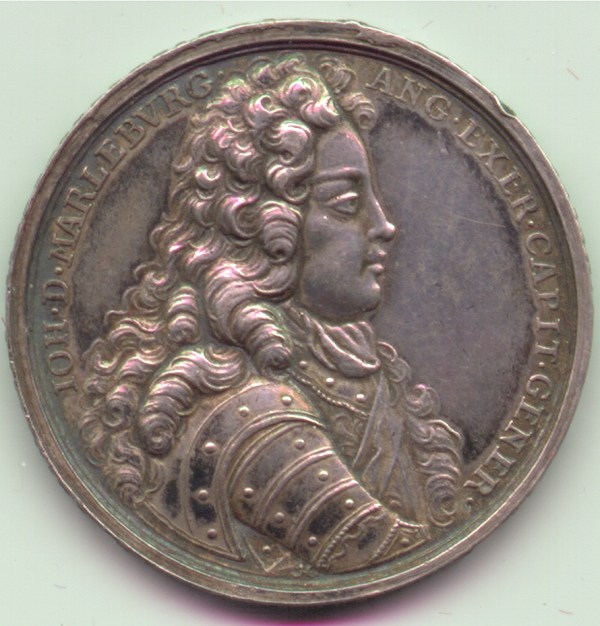
Anne, 1704, AR37, Battle of Blenheim
$960.00 -
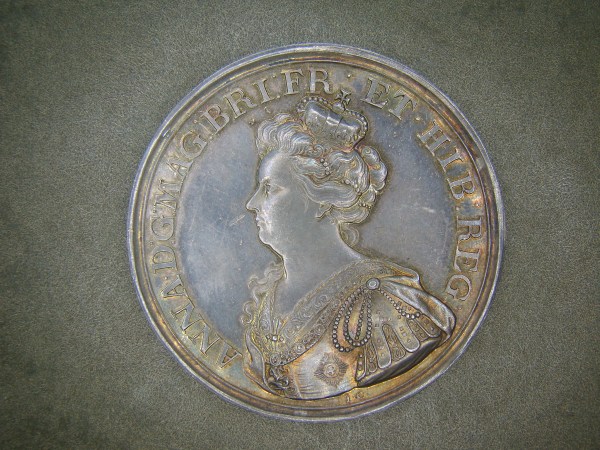
Anne, 1707, AR47, Mint State Union Medal
$5,350.00 -

Anne, 1710, AR48
$2,880.00