
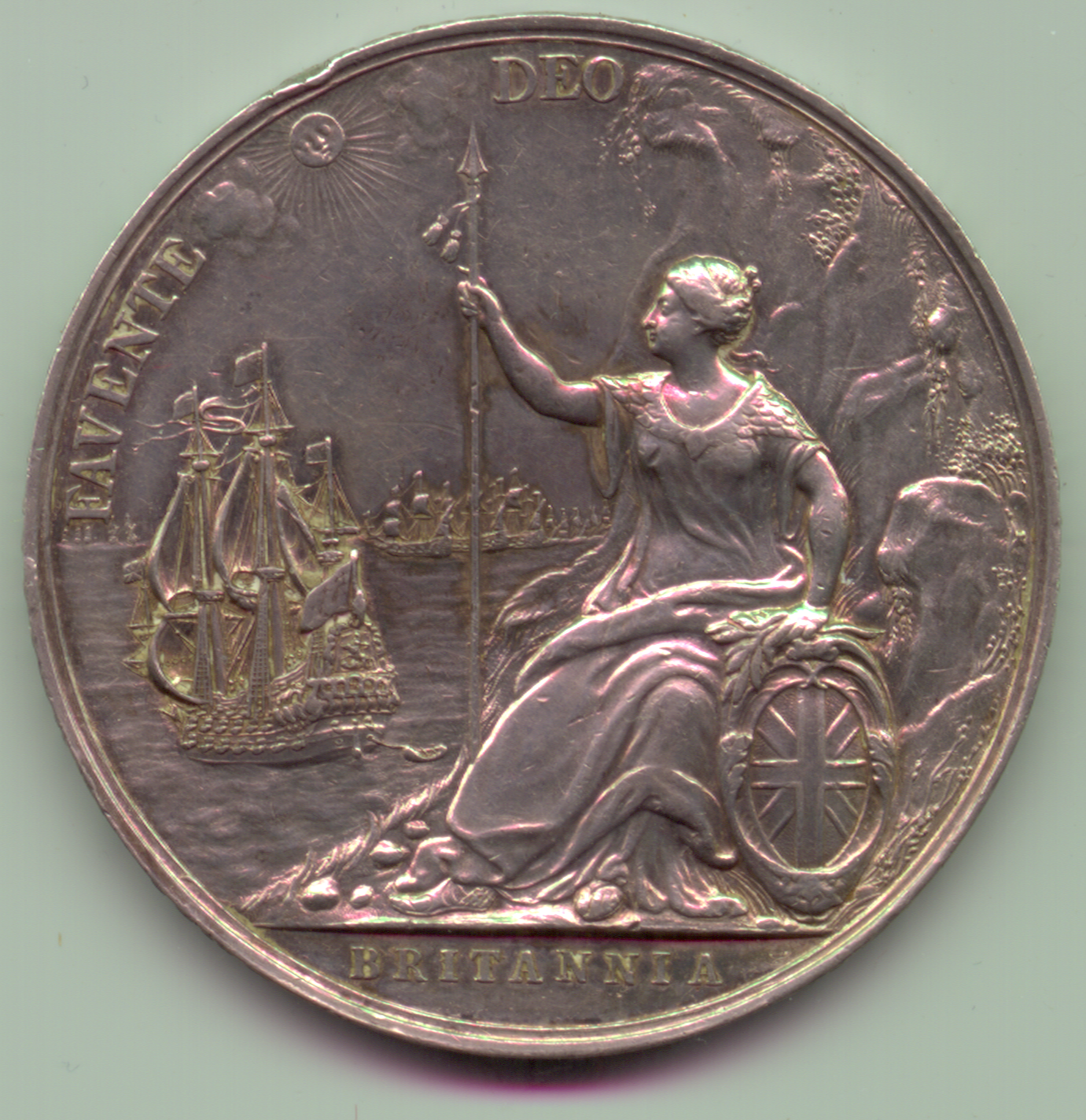
CHARLES II 1667, AR56, Peace of Breda
$770.00
Eimer-241, MI-I-535/186. 56mm. Peace of Breda. by Roettiers. Edge reads: CAROLVS * SECVNDVS * PACIS * ET * IMPERII * RESTITVTOR * AVGVSTVS. The Treaty of Breda ended the 2nd Anglo-Dutch War that erupted between Britain and the Netherlands on 4 March 1665 and was largely based on commercial differences that festered for decades before the war started. English merchants found themselves at a disadvantage to the Dutch who from 1647 firmly established a strong trading network in the Baltic, Americas and East Indies. British merchants were largely frozen out of the luxury trade of goods coming from the Far East as well as commodities coming from Africa and the Americas. To counter the Dutch stranglehold a new set of Navigation Acts were promulgated which required the use of English ships and crews for most goods imported into Britain. This didn’t set well with the Dutch. As both sides stumbled into war England took the initiative by taking over the Dutch colony of new Amsterdam in the Americas renaming it New York City as well as slave outposts belonging to the Dutch East India company in Guinea. The Dutch formally declared war but a few months later suffered a serious naval defeat by the English off the east coast of England near Lowestoft. By 1666 the conflict had spread into a land war in western Europe involving France and other continental powers and turned into somewhat of a stalemate as neither the English nor the Dutch fleets were able to strike a decisive blow. In the meantime, a reoccurrence of the plaque struck London killing 25% of its inhabitants followed by the Great Fire of 1666 which destroyed much of the city. Negotiations dragged on for another year as each side attempted to gain the upper hand, but by 1667 English finances were in ruins. The economic pillar of the London mercantile class which had staunchly supported the King had collapsed under the weight of sickness and fire. A desperate Charles II was able to drive a wedge in the Dutch Franco alliance and for a short time seemed to gain the upper hand, but then disaster struck. In June 1667 a Dutch fleet surprised the English fleet at anchorage in the Thames estuary. Fifteen English ships-of -the-line were destroyed by the Dutch. To add to the disaster the pride of the English fleet, ” HMS Royal Charles” was towed back to the United provinces as a trophy. A month later in July 1667 the Treaty of Breda was signed. Swatches of pastel toning over lustrous fields the obverse being a bit more dull than the reverse. Some light scattered bagmarks, but nothing major. Lightly cleaned at one time now retoned with no signs of heavy hairlines usually seen on cleaned coins. Ex Bonhams Sale September 1996 lot 124. NGC AU Cleaned
NGC 6062683-003
Eimer-241, MI-I-535/186. 56mm. Peace of Breda. by Roettiers. Edge reads: CAROLVS * SECVNDVS * PACIS * ET * IMPERII * RESTITVTOR * AVGVSTVS. The Treaty of Breda ended the 2nd Anglo-Dutch War that erupted between Britain and the Netherlands on 4 March 1665 and was largely based on commercial differences that festered for decades before the war started. English merchants found themselves at a disadvantage to the Dutch who from 1647 firmly established a strong trading network in the Baltic, Americas and East Indies. British merchants were largely frozen out of the luxury trade of goods coming from the Far East as well as commodities coming from Africa and the Americas. To counter the Dutch stranglehold a new set of Navigation Acts were promulgated which required the use of English ships and crews for most goods imported into Britain. This didn’t set well with the Dutch. As both sides stumbled into war England took the initiative by taking over the Dutch colony of new Amsterdam in the Americas renaming it New York City as well as slave outposts belonging to the Dutch East India company in Guinea. The Dutch formally declared war but a few months later suffered a serious naval defeat by the English off the east coast of England near Lowestoft. By 1666 the conflict had spread into a land war in western Europe involving France and other continental powers and turned into somewhat of a stalemate as neither the English nor the Dutch fleets were able to strike a decisive blow. In the meantime, a reoccurrence of the plaque struck London killing 25% of its inhabitants followed by the Great Fire of 1666 which destroyed much of the city. Negotiations dragged on for another year as each side attempted to gain the upper hand, but by 1667 English finances were in ruins. The economic pillar of the London mercantile class which had staunchly supported the King had collapsed under the weight of sickness and fire. A desperate Charles II was able to drive a wedge in the Dutch Franco alliance and for a short time seemed to gain the upper hand, but then disaster struck. In June 1667 a Dutch fleet surprised the English fleet at anchorage in the Thames estuary. Fifteen English ships-of -the-line were destroyed by the Dutch. To add to the disaster the pride of the English fleet, ” HMS Royal Charles” was towed back to the United provinces as a trophy. A month later in July 1667 the Treaty of Breda was signed. Swatches of pastel toning over lustrous fields the obverse being a bit more dull than the reverse. Some light scattered bagmarks, but nothing major. Lightly cleaned at one time now retoned with no signs of heavy hairlines usually seen on cleaned coins. Ex Bonhams Sale September 1996 lot 124. NGC AU Cleaned
NGC 6062683-003
Related products
-
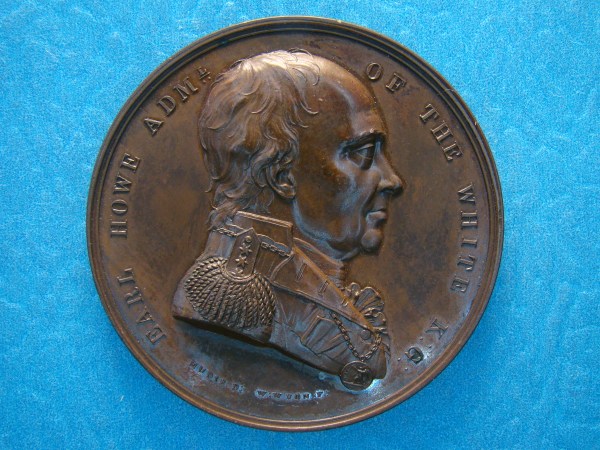
Admiral Howe, 1794, AE42
$349.00 -
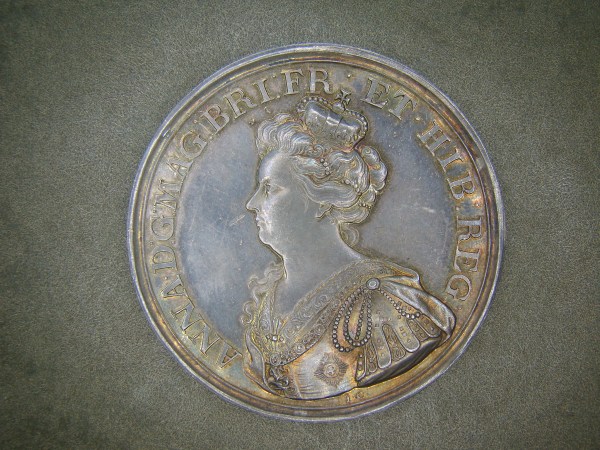
Anne, 1707, AR47, Mint State Union Medal
$5,350.00 -

Anne, 1710, AR48
$2,880.00 -
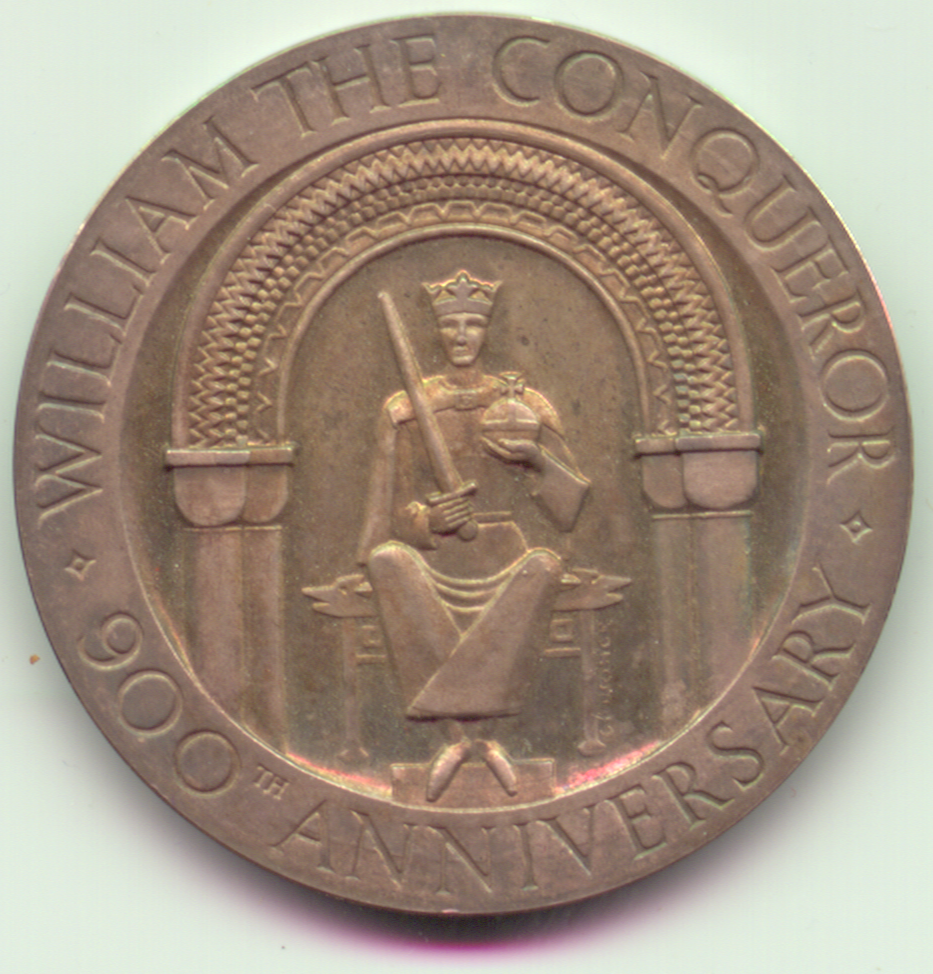
Battle of Hastings, 1966, AR39
$139.00