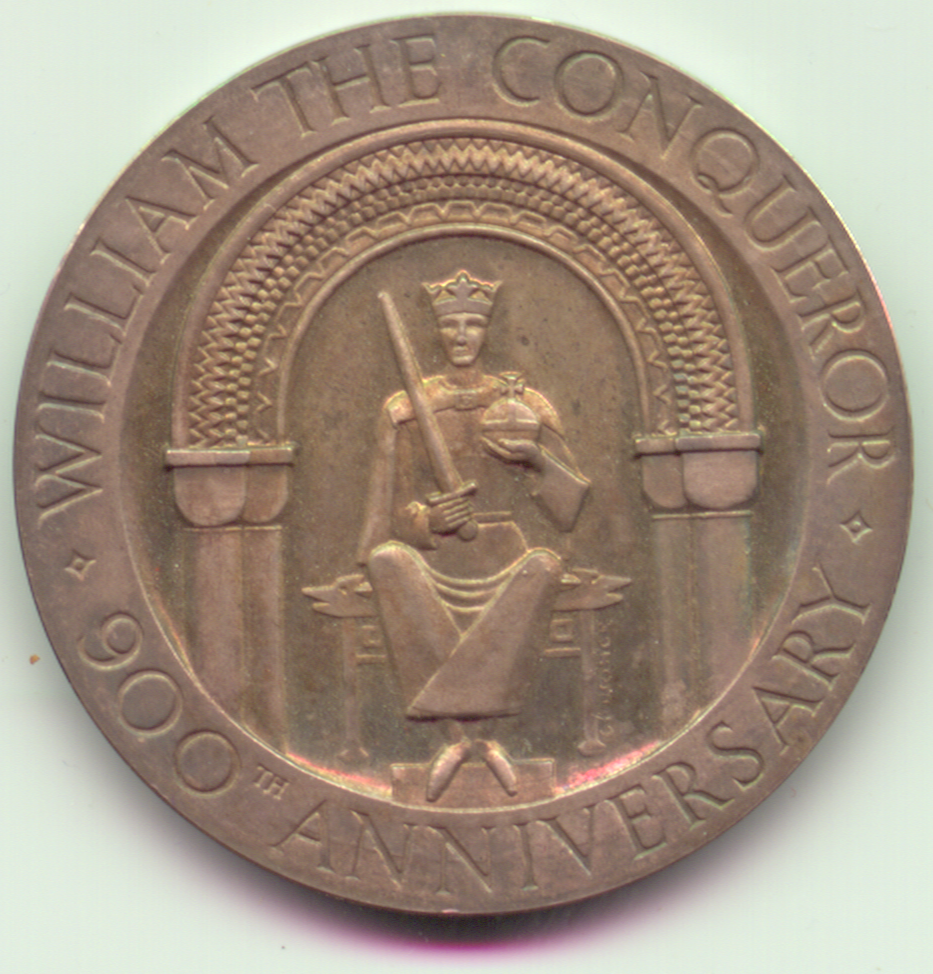
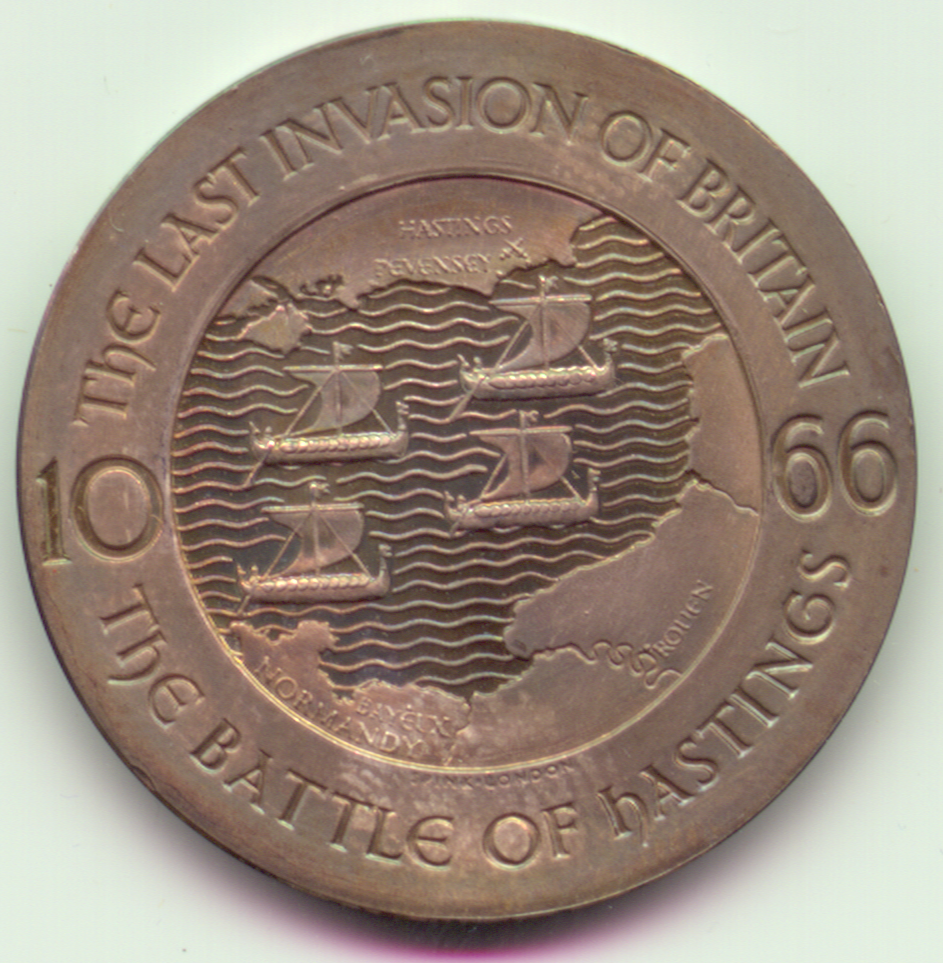
Battle of Hastings, 1966, AR39
$139.00
Wt. 29.17gr. Issued by Spinks to commemorate the 900th anniversary of the Battle of Hastings in 1066. The Battle of Hastings was one of the most pivotal battles in European history completely reshaping the future of Western Europe. It was also a battle whose outcome was determined by a set of circumstances that only the whims of coincidence could concoct.
The death of the childless King Edward the Confessor on the 5th of January 1066 left a vacant English throne with three contenders, Harold Hardrada, King of Norway, Harold Godwinson, the most powerful noble in Saxon England, and William the Bastard, Duke of Normandy. Since Godwinson was ensconced in England, his kingship was quickly endorsed by the Saxon Witenagemot and he was crowned by Aeldred, Archbishop of York. Needless to say, neither of the rival claimants were going to take this lying down. In early September, King Harald of Norway, accompanied by Harold’s younger brother Tostig landed in the north of England with a force of about 15,000 men. An initial Saxon force was defeated and the Norwegian army continued advancing south finally camping outside the city of York. In the meantime, King Harold had been gathering troops in the south and made a spectacular forced march toward York. He surprised the Norwegian-Saxon army at Stamford Bridge on 25 September 1066, winning an overwhelming victory that resulted in the deaths of Harald and Tostig. Three days later on the 28th of September, William of Normandy landed unopposed in the south of England with about 7000 troops. Harold’s army was severely battered after Stamford, but Harold gathered what troops he could and rode south to confront the Normans. He rested in London for about a week while fresh troops were summoned from the shires of England. However, William started a campaign of burning and looting towns and villages in the south to provoke Harold into battle. The tactic worked. Harold marched out with an insufficient force and met the Normans near the village of Hastings. The battle featured a different type of warfare for the Saxons, who for the first time faced charges by heavy Norman cavalry mounted on specially trained warhorses. The Saxons were outnumbered but in a good defensive position on a steep ridge. For a time, their shield wall held firm, but a false retreat by the Normans led to a pursuit by part of the Saxon line. The Normans suddenly turned on their pursuers and broke through the now weakened Saxon defensive line which crumbled. Harold was killed along with about 4000 Saxons and many of his nobles. Duke William lost about a third of his forces. A choice medal struck in sterling silver. Heavily frosted devices, the fields are beautifully toned flashing gold and light blue tones. A superb piece. SILVER stamped on the edge. Cased FDC
Wt. 29.17gr. Issued by Spinks to commemorate the 900th anniversary of the Battle of Hastings in 1066. The Battle of Hastings was one of the most pivotal battles in European history completely reshaping the future of Western Europe. It was also a battle whose outcome was determined by a set of circumstances that only the whims of coincidence could concoct.
The death of the childless King Edward the Confessor on the 5th of January 1066 left a vacant English throne with three contenders, Harold Hardrada, King of Norway, Harold Godwinson, the most powerful noble in Saxon England, and William the Bastard, Duke of Normandy. Since Godwinson was ensconced in England, his kingship was quickly endorsed by the Saxon Witenagemot and he was crowned by Aeldred, Archbishop of York. Needless to say, neither of the rival claimants were going to take this lying down. In early September, King Harald of Norway, accompanied by Harold’s younger brother Tostig landed in the north of England with a force of about 15,000 men. An initial Saxon force was defeated and the Norwegian army continued advancing south finally camping outside the city of York. In the meantime, King Harold had been gathering troops in the south and made a spectacular forced march toward York. He surprised the Norwegian-Saxon army at Stamford Bridge on 25 September 1066, winning an overwhelming victory that resulted in the deaths of Harald and Tostig. Three days later on the 28th of September, William of Normandy landed unopposed in the south of England with about 7000 troops. Harold’s army was severely battered after Stamford, but Harold gathered what troops he could and rode south to confront the Normans. He rested in London for about a week while fresh troops were summoned from the shires of England. However, William started a campaign of burning and looting towns and villages in the south to provoke Harold into battle. The tactic worked. Harold marched out with an insufficient force and met the Normans near the village of Hastings. The battle featured a different type of warfare for the Saxons, who for the first time faced charges by heavy Norman cavalry mounted on specially trained warhorses. The Saxons were outnumbered but in a good defensive position on a steep ridge. For a time, their shield wall held firm, but a false retreat by the Normans led to a pursuit by part of the Saxon line. The Normans suddenly turned on their pursuers and broke through the now weakened Saxon defensive line which crumbled. Harold was killed along with about 4000 Saxons and many of his nobles. Duke William lost about a third of his forces. A choice medal struck in sterling silver. Heavily frosted devices, the fields are beautifully toned flashing gold and light blue tones. A superb piece. SILVER stamped on the edge. Cased FDC
Related products
-
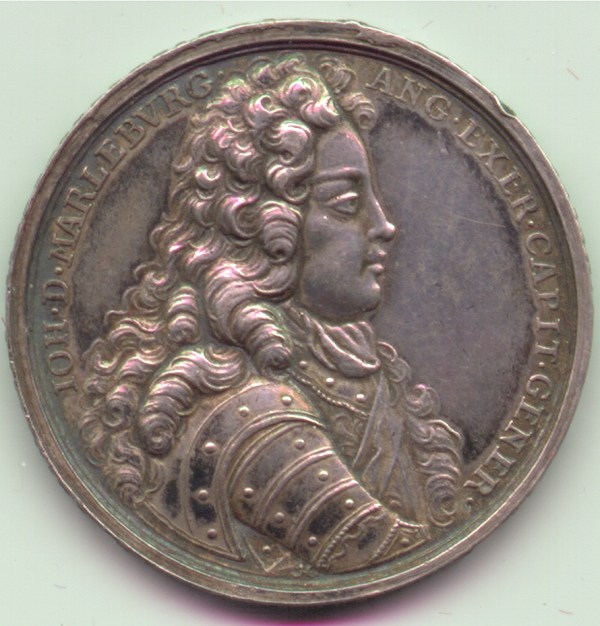
Anne, 1704, AR37, Battle of Blenheim
$960.00 -
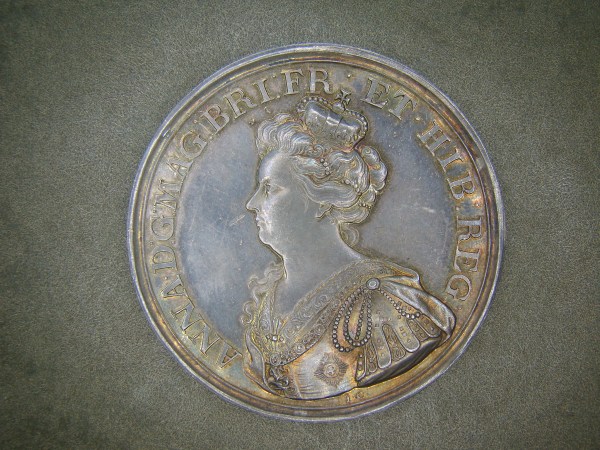
Anne, 1707, AR47, Mint State Union Medal
$5,350.00 -

Anne, 1709, Tournai Captured SOLD
$425.00 -

Anne, 1710, AR48
$2,880.00