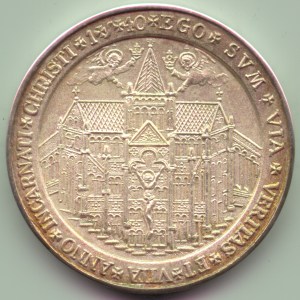


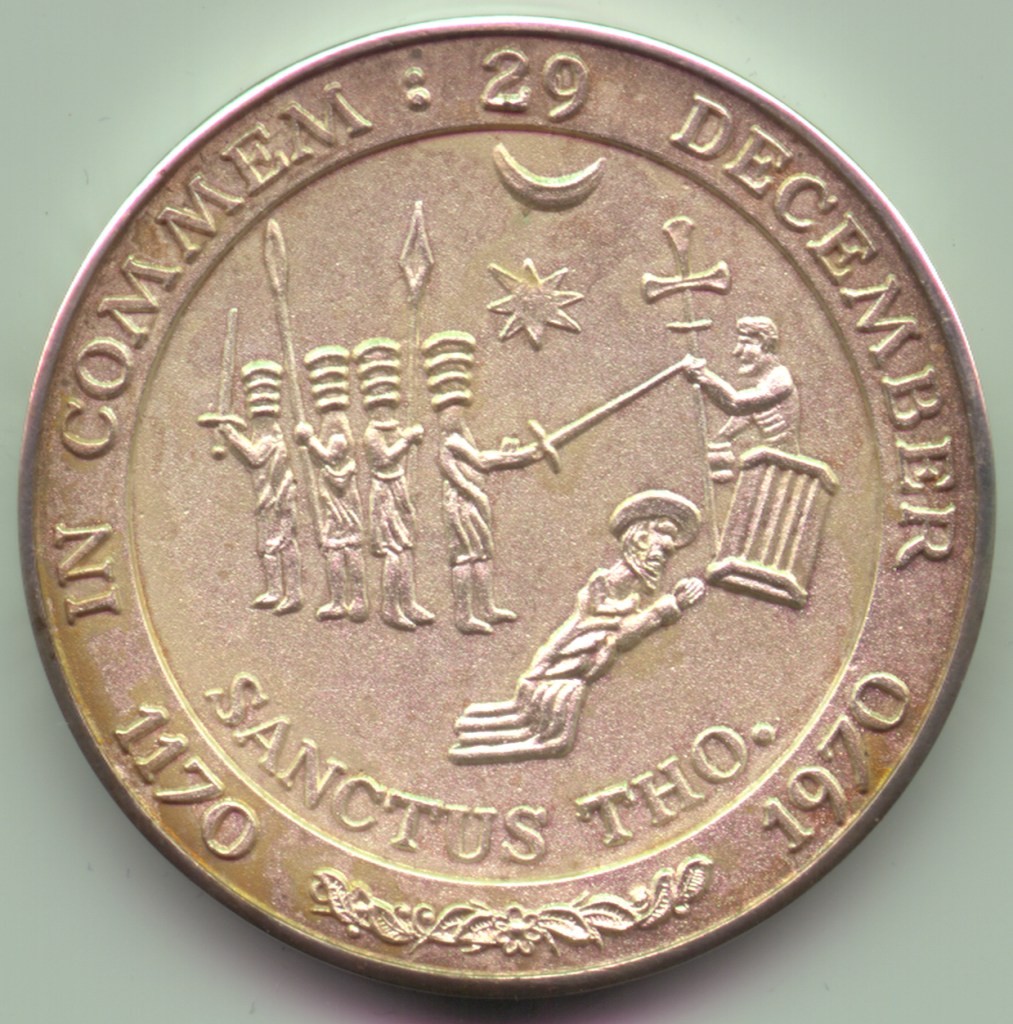
Thomas A Becket, 1970, AR51
$155.00
EIMER2122 wt 65.21 gr Thomas Becket was the son of a moderately well to do merchant with family ties to some lower nobility, as such he received a good education studying for a time in Paris. When his family suffered a financial reversal Thomas took on a number of jobs, eventually he became a clerk for Theobald Bec, Archbishop of Canterbury. By 1154 Thomas had proven a valuable resource to the archbishop and was appointed Archdeacon of Canterbury as well as a number of other posts. The following year Theobald recommended Thomas for higher office to King Henry II and in 1155, Thomas was made Chancellor of England, one of the most powerful offices in the Kingdom. Thomas proved to be a loyal and competent chancellor, a man Henry could trust, so when Archbishop Theobald died in 1162, Henry was eager to support Thomas’ candidacy for the post. However, upon his consecration, the new archbishop suddenly became his own man and a champion protecting the rights of the Church from royal encroachment. The struggle between royal and ecclesiastical authority was an old one that afflicted all the monarchies in Europe but was especially acute in England. During Saxon times the Church and the Saxon kings enjoyed a symbiotic relationship. From the time of Offa, Saxon kings exerted control over ecclesiastic appointments largely because Church lands attached to these offices often extended into neighboring kingdoms. When William of Normandy conquered England in 1066, he consolidated his power in part by overseeing key church positions. Over the next century it became the rule that weak kings ceded the Church more authority, strong kings attempted to get it back. Henry II was a strong king. It was no surprise that the two iron willed personalities of Thomas Becket and Henry II found themselves at odds. In 1164 Thomas was ordered to appear before the High Council to answer charges of contempt of royal authority a charge that was just a notch below treason. There was only one possible verdict. Thomas fled England for exile in France and only returned in 1170 after Pope Alexander III negotiated a compromise with Henry II. Becket returned to England and was back for only a few months when Henry was informed of a secret meeting between a number of bishops including Thomas to declare Henry’s youngest son, also named Henry, as heir apparent. Exasperated, Henry II supposedly stated rhetorically that he wished someone would take out the troublesome Thomas. Four knights took Henry at his word and rode off with their men-at-arms to Canterbury. On the 29th of December 1170, Thomas was cut down in the cathedral, receiving a number of sword blows to the head that shattered his skull and “scattered his brains and blood across the floor”. Everyone was horrified not only that Thomas was killed, but that he was killed in a church. The knights who did the deed fled to Scotland and eventually the Holy Land where they fought in the crusades to earn their redemption. King Henry II almost lost his kingdom. The French King Louis VII was only too happy to lead a force to depose the now despised Henry of his considerable French territories and even plan an invasion of England. In the end Henry kept his crown, but only after he demonstrated a public act of penance by walking barefoot to the shrine of Thomas A Becket. In the next few years Archbishop Becket became one of the most revered martyrs in Christendom and in 1173 he was declared a saint. The shrine that was built in Canterbury cathedral brought in innumerable pilgrims and much wealth to the monastery and chapter until another Henry, Henry VIII, had it destroyed in 1538.
Commemorates the 800th anniversary of martyrdom. Hallmarked and numbered (139 of 800 struck) on the edge, cased with a certificate detailing the history behind the medal. The medal itself has a matte frosted finish with some soft gold tone at the peripheries that contrast with mirrored edges. A lovely medal. Contains 1.94 troy ounces of pure silver. FDC
EIMER2122 wt 65.21 gr Thomas Becket was the son of a moderately well to do merchant with family ties to some lower nobility, as such he received a good education studying for a time in Paris. When his family suffered a financial reversal Thomas took on a number of jobs, eventually he became a clerk for Theobald Bec, Archbishop of Canterbury. By 1154 Thomas had proven a valuable resource to the archbishop and was appointed Archdeacon of Canterbury as well as a number of other posts. The following year Theobald recommended Thomas for higher office to King Henry II and in 1155, Thomas was made Chancellor of England, one of the most powerful offices in the Kingdom. Thomas proved to be a loyal and competent chancellor, a man Henry could trust, so when Archbishop Theobald died in 1162, Henry was eager to support Thomas’ candidacy for the post. However, upon his consecration, the new archbishop suddenly became his own man and a champion protecting the rights of the Church from royal encroachment. The struggle between royal and ecclesiastical authority was an old one that afflicted all the monarchies in Europe but was especially acute in England. During Saxon times the Church and the Saxon kings enjoyed a symbiotic relationship. From the time of Offa, Saxon kings exerted control over ecclesiastic appointments largely because Church lands attached to these offices often extended into neighboring kingdoms. When William of Normandy conquered England in 1066, he consolidated his power in part by overseeing key church positions. Over the next century it became the rule that weak kings ceded the Church more authority, strong kings attempted to get it back. Henry II was a strong king. It was no surprise that the two iron willed personalities of Thomas Becket and Henry II found themselves at odds. In 1164 Thomas was ordered to appear before the High Council to answer charges of contempt of royal authority a charge that was just a notch below treason. There was only one possible verdict. Thomas fled England for exile in France and only returned in 1170 after Pope Alexander III negotiated a compromise with Henry II. Becket returned to England and was back for only a few months when Henry was informed of a secret meeting between a number of bishops including Thomas to declare Henry’s youngest son, also named Henry, as heir apparent. Exasperated, Henry II supposedly stated rhetorically that he wished someone would take out the troublesome Thomas. Four knights took Henry at his word and rode off with their men-at-arms to Canterbury. On the 29th of December 1170, Thomas was cut down in the cathedral, receiving a number of sword blows to the head that shattered his skull and “scattered his brains and blood across the floor”. Everyone was horrified not only that Thomas was killed, but that he was killed in a church. The knights who did the deed fled to Scotland and eventually the Holy Land where they fought in the crusades to earn their redemption. King Henry II almost lost his kingdom. The French King Louis VII was only too happy to lead a force to depose the now despised Henry of his considerable French territories and even plan an invasion of England. In the end Henry kept his crown, but only after he demonstrated a public act of penance by walking barefoot to the shrine of Thomas A Becket. In the next few years Archbishop Becket became one of the most revered martyrs in Christendom and in 1173 he was declared a saint. The shrine that was built in Canterbury cathedral brought in innumerable pilgrims and much wealth to the monastery and chapter until another Henry, Henry VIII, had it destroyed in 1538.
Commemorates the 800th anniversary of martyrdom. Hallmarked and numbered (139 of 800 struck) on the edge, cased with a certificate detailing the history behind the medal. The medal itself has a matte frosted finish with some soft gold tone at the peripheries that contrast with mirrored edges. A lovely medal. Contains 1.94 troy ounces of pure silver. FDC
Related products
-
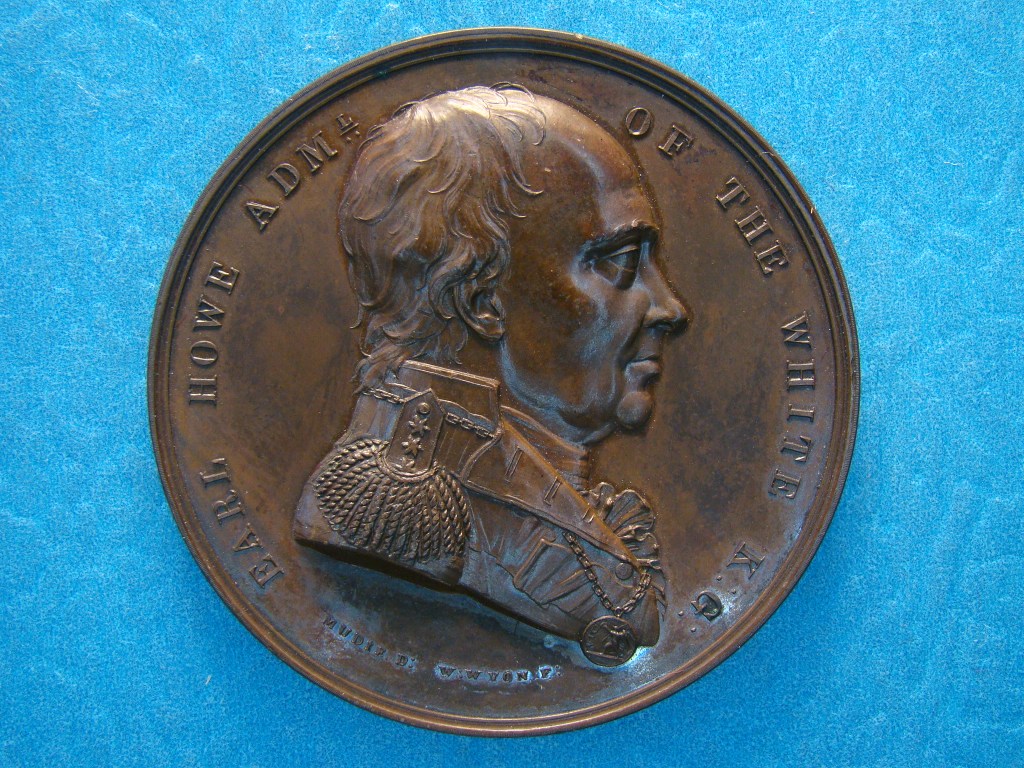
Admiral Howe, 1794, AE42
$259.00 -
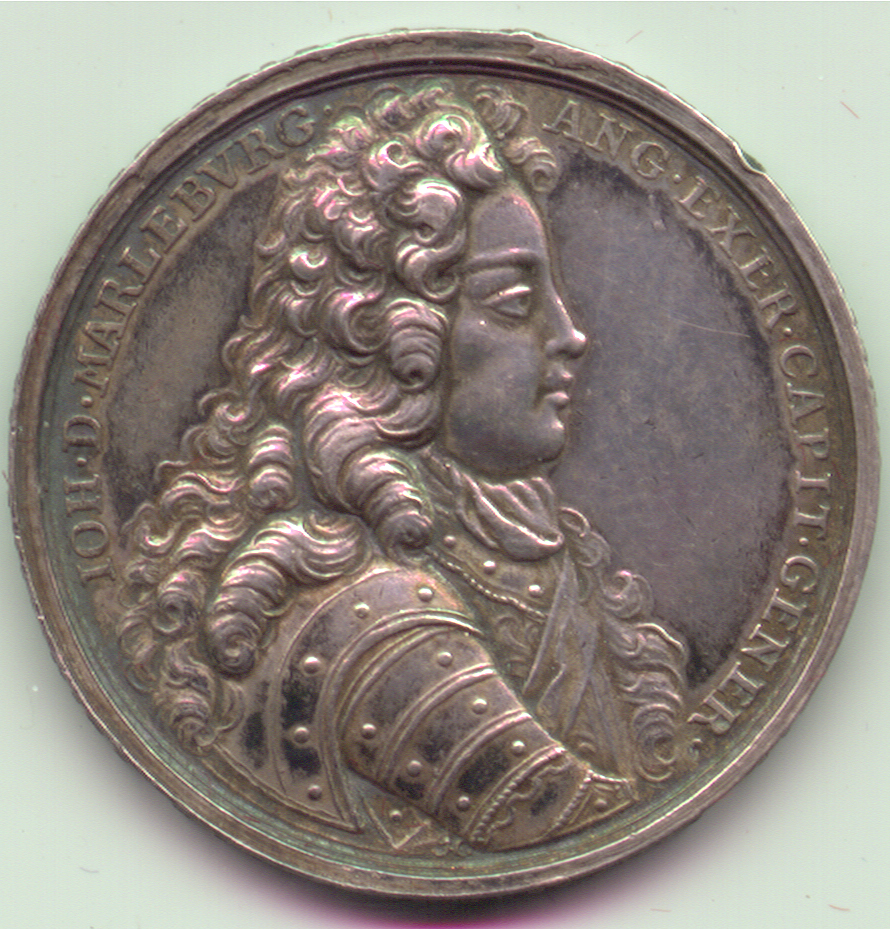
Anne, 1704, AR37, Battle of Blenheim
$960.00 -

Anne, 1707, AR47, Mint State Union Medal
$4,950.00 -
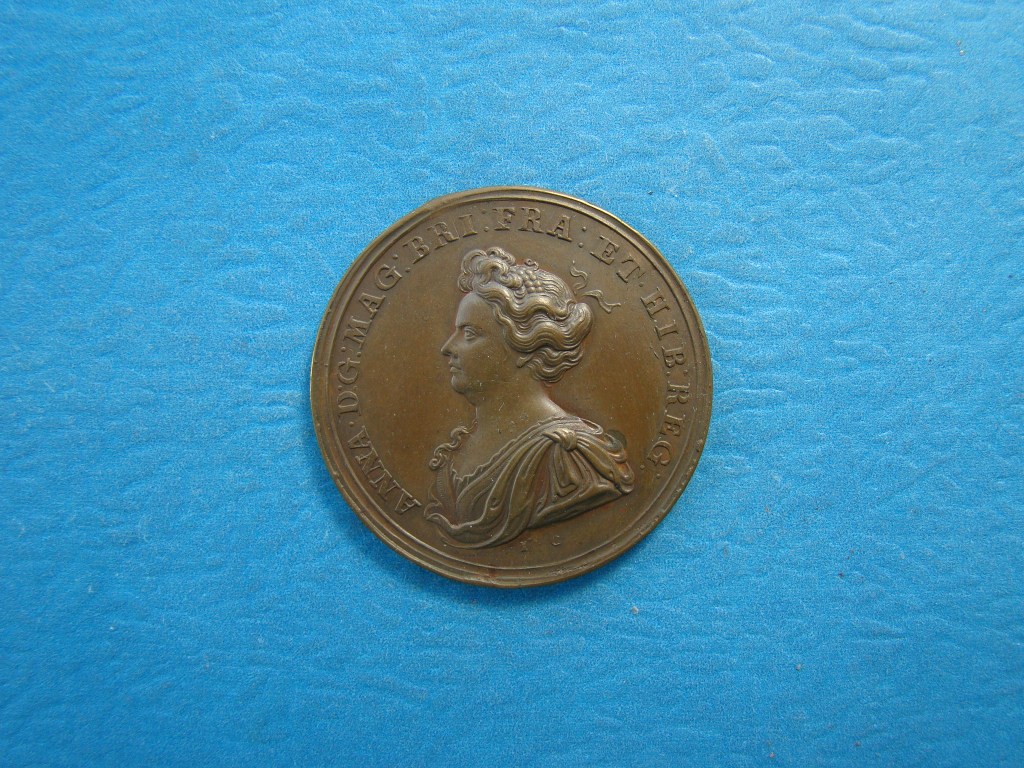
Anne, 1709, Tournai Captured SOLD
$425.00