

ROME, CARACALLA, Denarius, 212 A MINT STATE EXAMPLE
$429.00
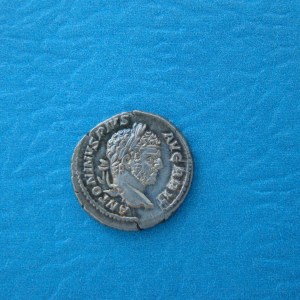
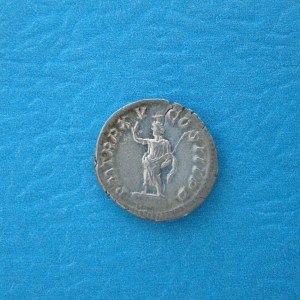
RIC194 Laureate head facing r. “ANTONINVS PIVS AVG BRIT”; Rev Serapis wearing polos stg front raising r hand, holding sceptre in the crook of the left arm. “P.M.TR.P.XV. COS III P.P” Small striking crack at 6 o’clock. Marcus Aurelius Antoninus was the elder son of Emperor Septimius Severus and Empress Julia Domna; the nick name, Caracalla, originated from a type of Gallic cloak that Marcus was fond of wearing. Proclaimed co-ruler by his father in 198, Caracalla also reigned jointly with his brother Geta, who was named co-emperor in 209. In 211 Caracalla’s father, Septimius Severus, died in York while campaigning in Caledonia with his two sons. The brothers, Caracalla and Geta, concluded a treaty with the Caledonian tribes fixing the borders of Britannia back to Hadrian’s wall. This coin was possibly issued in 211 to proclaim Caracalla’s rise to imperial power while still in Britain. Geta issued a denarius with the same claim. The brothers genuinely hated one another with each having his own separate court of followers and supporters. This co-emperor arrangement didn’t last long as Geta was murdered shortly after their father’s death on December 26, 211 by praetorians loyal to Caracalla. The assassination was followed by a great amount of butchery as Geta’s many supporters were hunted down and executed. It was estimated by the contemporary historian, Cassius Dio, that over 20,000 died, an act that certainly allowed later historians to label him a tyrant. However, it was Caracalla who issued the Constitutio Antoniniana which granted Roman citizenship to every adult male in the empire. He also debased the silver denarius and created a new denomination of silver coin called the Antoninianus. A soldier first and foremost, Caracalla was a successful general, pushing back numerous Germanic invaders during the Alemannic Wars and having much success in the East against the Parthians. In fact when Caracalla left Rome in 213 to repel German invaders, it was the last time he was ever in Rome. The day to day running of the government was left in the very capable hands of his mother, Julia Domna. Caracalla was assassinated by a disgruntled soldier while campaigning in Turkey on April 8th 217. It was widely believed that the soldier was encouraged to commit the murder by the Praetorian Prefect, Macrinus, who promptly declared himself emperor. After spending much time campaigning in the East with his father, Caracalla became a follower of Serapis, the Egyptian god of healing. The coin featured here has its reverse depicting this god. Lustrous surfaces reflecting through grey toning. A very nice example. CH UNC
RIC194 Laureate head facing r. “ANTONINVS PIVS AVG BRIT”; Rev Serapis wearing polos stg front raising r hand, holding sceptre in the crook of the left arm. “P.M.TR.P.XV. COS III P.P” Small striking crack at 6 o’clock. Marcus Aurelius Antoninus was the elder son of Emperor Septimius Severus and Empress Julia Domna; the nick name, Caracalla, originated from a type of Gallic cloak that Marcus was fond of wearing. Proclaimed co-ruler by his father in 198, Caracalla also reigned jointly with his brother Geta, who was named co-emperor in 209. In 211 Caracalla’s father, Septimius Severus, died in York while campaigning in Caledonia with his two sons. The brothers, Caracalla and Geta, concluded a treaty with the Caledonian tribes fixing the borders of Britannia back to Hadrian’s wall. This coin was possibly issued in 211 to proclaim Caracalla’s rise to imperial power while still in Britain. Geta issued a denarius with the same claim. The brothers genuinely hated one another with each having his own separate court of followers and supporters. This co-emperor arrangement didn’t last long as Geta was murdered shortly after their father’s death on December 26, 211 by praetorians loyal to Caracalla. The assassination was followed by a great amount of butchery as Geta’s many supporters were hunted down and executed. It was estimated by the contemporary historian, Cassius Dio, that over 20,000 died, an act that certainly allowed later historians to label him a tyrant. However, it was Caracalla who issued the Constitutio Antoniniana which granted Roman citizenship to every adult male in the empire. He also debased the silver denarius and created a new denomination of silver coin called the Antoninianus. A soldier first and foremost, Caracalla was a successful general, pushing back numerous Germanic invaders during the Alemannic Wars and having much success in the East against the Parthians. In fact when Caracalla left Rome in 213 to repel German invaders, it was the last time he was ever in Rome. The day to day running of the government was left in the very capable hands of his mother, Julia Domna. Caracalla was assassinated by a disgruntled soldier while campaigning in Turkey on April 8th 217. It was widely believed that the soldier was encouraged to commit the murder by the Praetorian Prefect, Macrinus, who promptly declared himself emperor. After spending much time campaigning in the East with his father, Caracalla became a follower of Serapis, the Egyptian god of healing. The coin featured here has its reverse depicting this god. Lustrous surfaces reflecting through grey toning. A very nice example. CH UNC