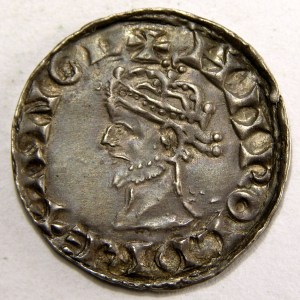
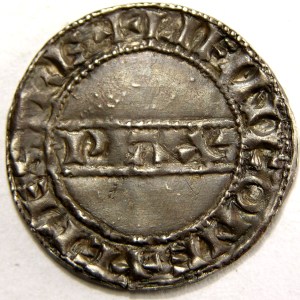
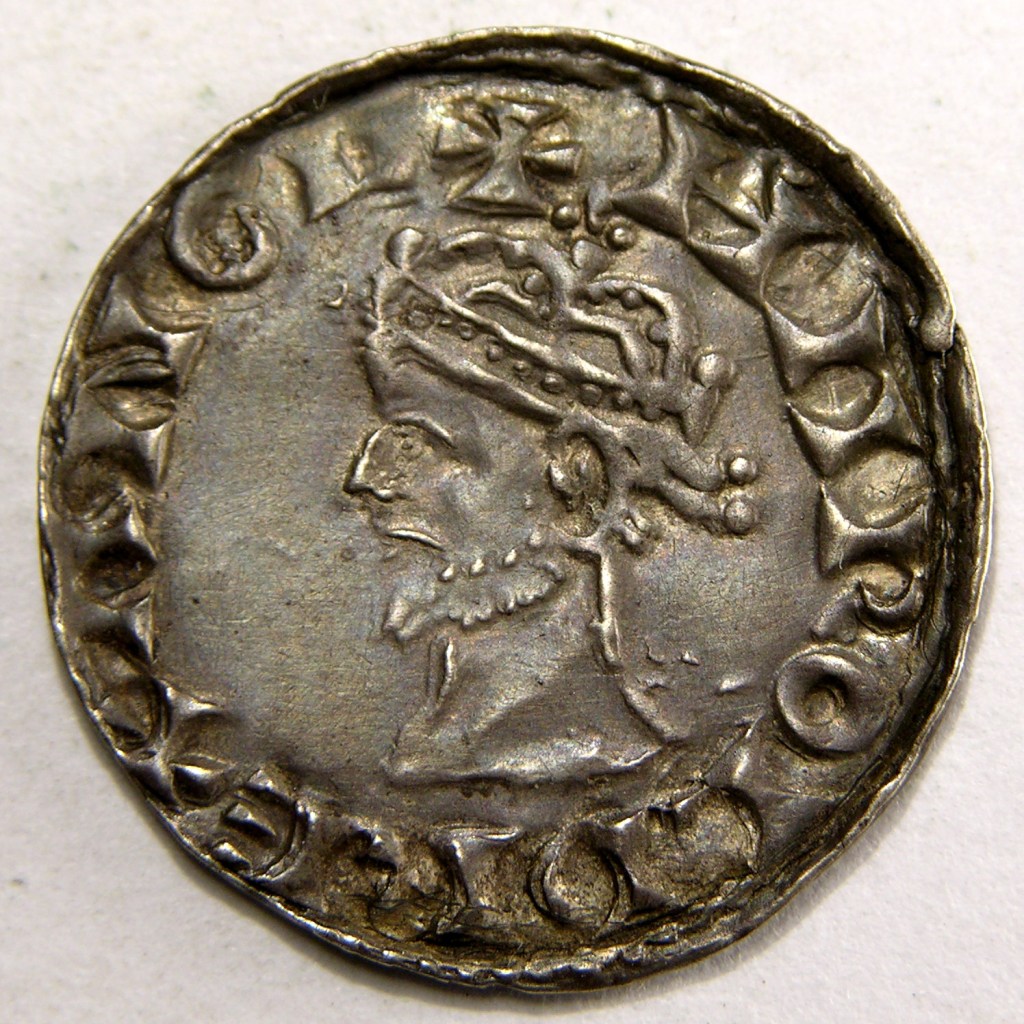
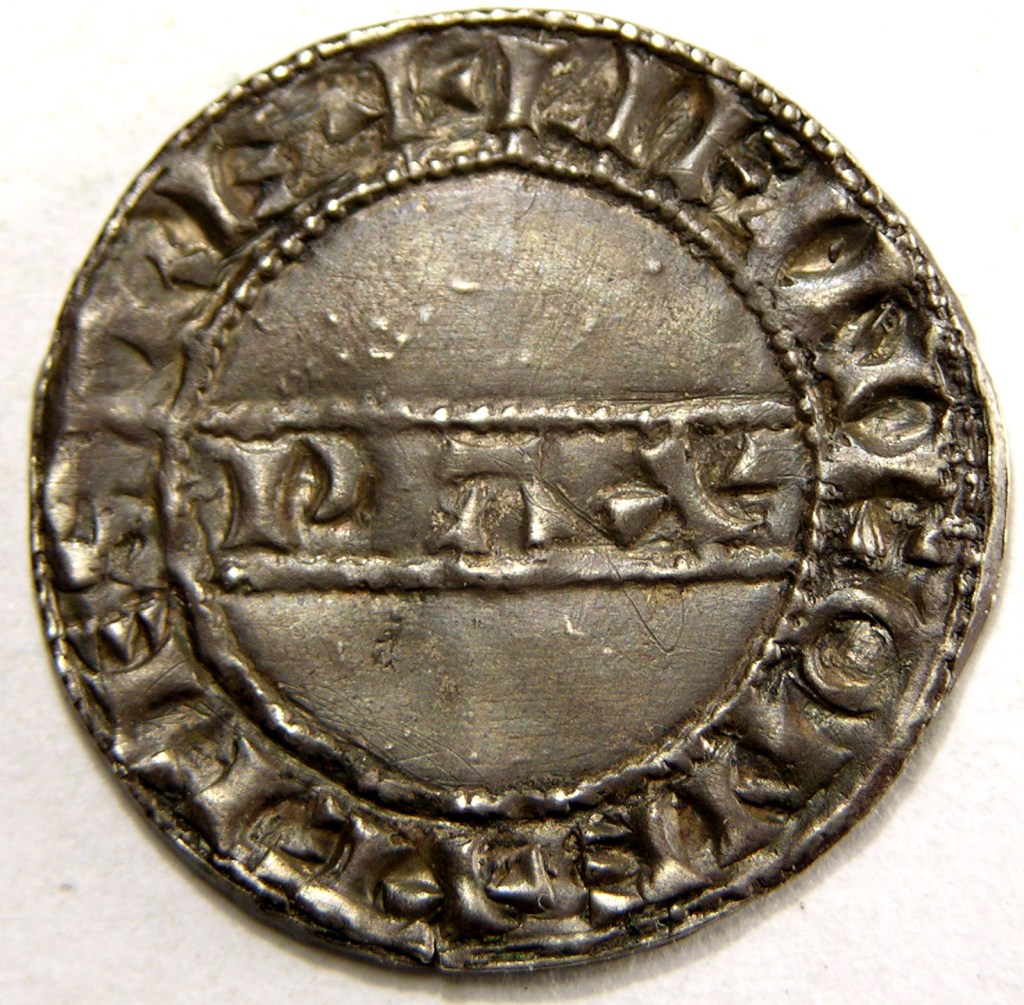
Harold II, 1066, 1D VERY RARE PEDIGREE HAROLD II PENNY NO SCEPTRE
$13,640.00
S1187/N837 Exeter Mint, Minter Lifinc. Harold Godwinson was probably the most able Saxon leader to rule England since King Eadgar who ruled a century earlier. Unfortunately, it was Harold’s unhappy fate that two invasions of England at opposite ends of the country occurred almost simultaneously in 1066. While waiting with his army in the south of England for Duke William of Normandy’s invasion, word reached Harold that an army of Norwegian Vikings had landed in the north. Led by King Harald Hardrada and assisted by Harold II’s traitorous brother Tostig, a force of about 9000 landed in the north and had already captured the city of York. Harold gathered up his army and headed north, marching day and night, and pounced on the unsuspecting Vikings at Stamford Bridge. The battle raged for hours with the English gradually gaining an advantage as the Vikings had not had time to put on their armor. As more men fell the Viking shield wall started to collapse. With Tostig and Hardrada dead the leaderless Vikings broke up into small groups and started to flee. The English pursued, wiping out the entire invasion force. It was an unusually bloody battle for the age with chroniclers stating that only 24 of the 300-ship invasion fleet escaped; indicating that only about 6-800 Vikings survived. Three days after the battle of Stamford bridge, on September 28th 1066, Duke William of Normandy landed at Pevensey with about 7000-8000 troops. Unaware of the landing in the South and after tending to his wounded, Harold gathered up what was left of his army and after leaving a large contingent in the north to guard against any other Viking incursions, headed south. Somewhere along the ride back, messengers reached Harold with news of the Norman invasion. Harold’s nobles urged caution and advised that he wait until sufficient levies could be gathered to repel the invaders. It appears that at first Harold heeded this advice, stopping in London for at least a week from around October 3 to the 10th to resupply, gather troops and rest. However, William, Duke of Normandy, knew that with winter coming, time was not on his side. He started to ravage the south of England in a deliberate attempt to provoke Harold into battle. It worked. Harold responded arriving near the village of Hastings on October 13th with a Saxon army of about 7000 men. The battle raged all day with the Saxons maintaining a strictly defensive posture on high ground against the more numerous Normans, successfully repelling charge after charge of their heavy calvary. The Saxon lines only broke late in the day when the Normans feigned a retreat and were able to lure part of the Saxon line out into the open, where they were cut down. A subsequent Norman cavalry charge collapsed the weakened Saxon lines and the battle was lost, Harold was killed and just like that, William the Bastard, Duke of Normandy became William the Conqueror, King of England.
A very handsome coin evenly toned, nicely stuck with little evidence of wear. Very rare type “without sceptre”, these coins appear very infrequently compared to the ones issued with the sceptre. I would estimate about a 60 to 1 ratio exists between the types. Besides its rarity, the coin also boasts an impressive pedigree. Bought STACKS Auction 12/1994 lot 2377, EX BRETTEL LOT 244, EX SIMPSON COL, EX DRABBLE LOT 895, EX BLISS LOT 137, EX BARNES COLL. Recently the relatively common with sceptre types in GVF-EF with no pedigree have been bringing L5000 plus commission ($7000) at auction. In fact an NGC graded MS61 example of the relatively common “with sceptre” type was sold for $12000 in Jan 2025, as was an extremely fine example of a with sceptre type sold in a Spinks auction for over $16400 including the buyers fee. A real prize and with this pedigree a one-of-a-kind find. Sold with bill of sale and auction information. CHAU
Related products
-

AETHELHEARD, 798-805, 1D, A PEDIGREE COIN
$6,529.00 -

Aethelred II Unraed, 999-1002, 1d
$895.00 -
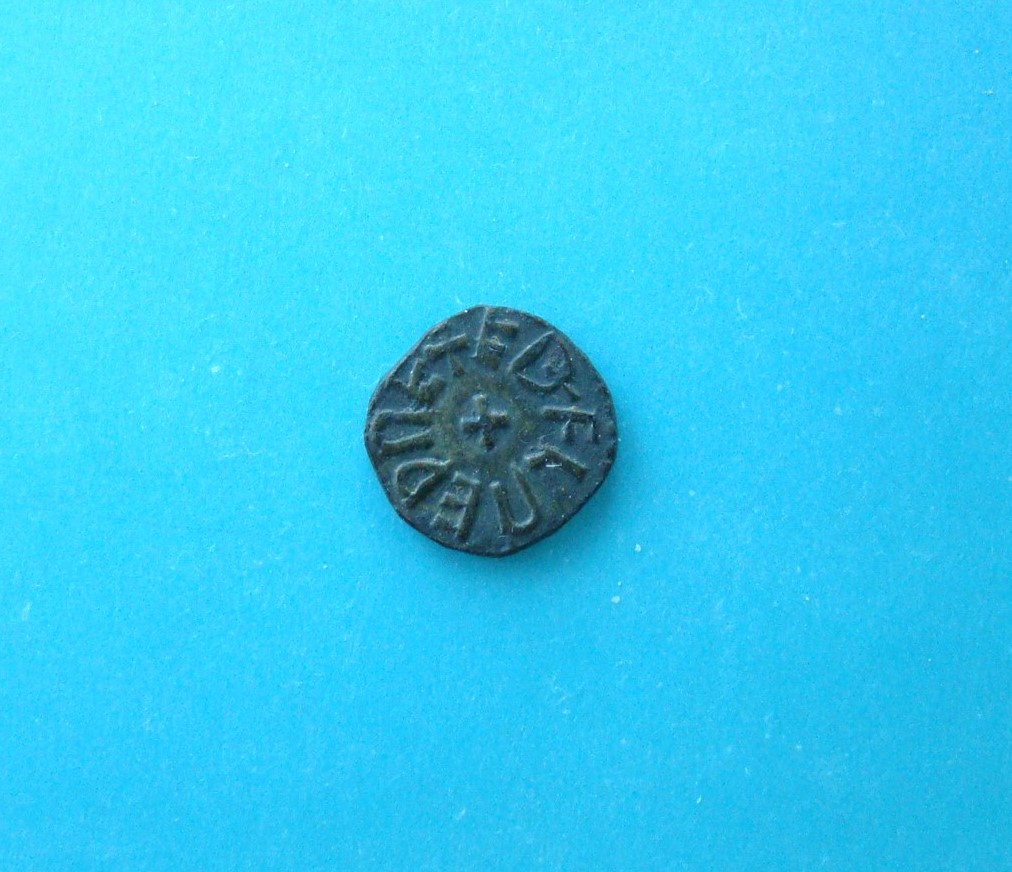
Aethelred II, 858-62, Styca
$157.00 -

Aethelweard, 845-55, 1D, near MINT STATE EXAMPLE
$7,450.00