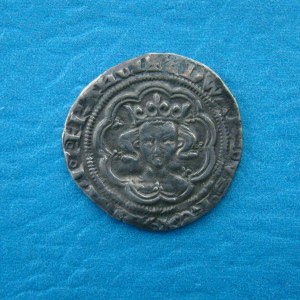
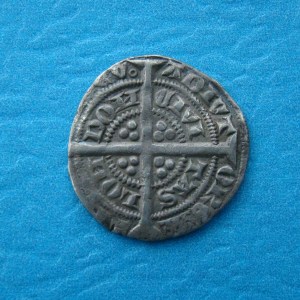
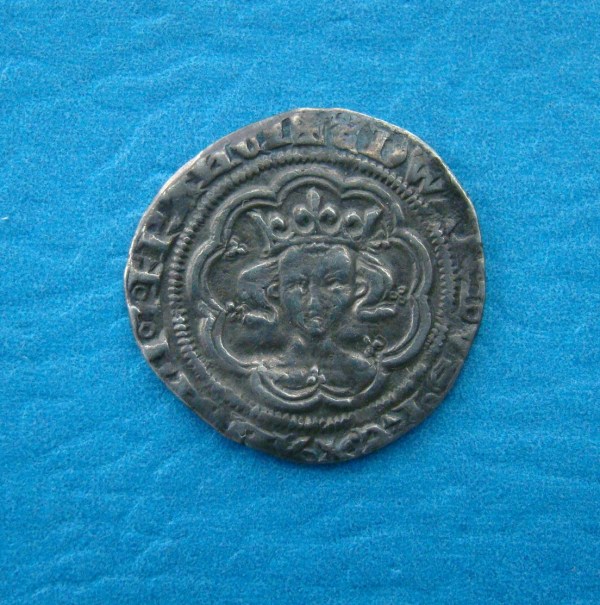
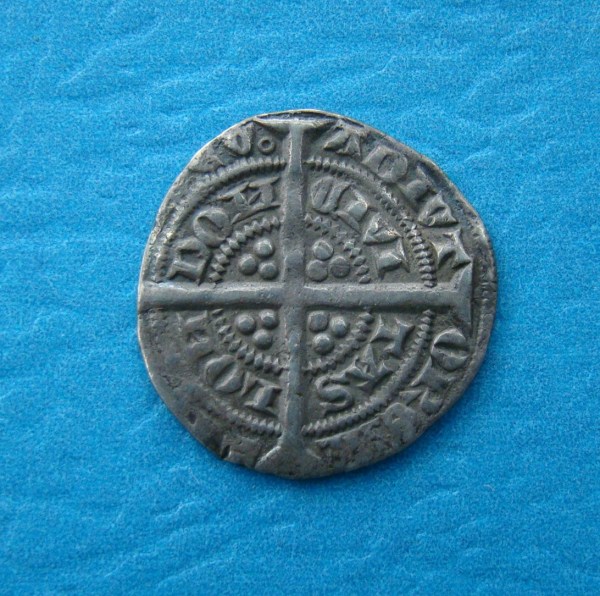
Edward III, 1351-52, 2d, Ext RARE TYPE
$479.00
S1574/N1148 In the late mid to 13th century international trade in the form of the English wool trade with Flanders grew to become a mainstay of the English economy. In 1327 when Edward III came to the throne, English currency consisted of only the silver penny and its fractions. By the mid 14th century it was obvious that English coinage was hindering the growth of the wool industry and trade in general. In 1344 Edward started minting gold coins to compete with continental issues but these first issues of florins, double florins and half florins failed to compete with the gold florins issued by France and Italy and were withdrawn in August 1344. Edward’s second attempt was the issuance of the gold noble and its fractions. However, the noble weighed in at 138.46 grains and contained too much gold for its face value. As a result these coins were hoarded and melted down. In 1346 Edward III reduced the weight of the noble to 128.59 grains and the noble became a mainstay of trade. Edward also reformed the coinage with a new issue of silver to compete with continental ones. Introduced in 1351 was the silver groat, and half groat along with the familiar penny and its fractions. Edward III’s new coinage along with his victories in the opening battles of the Hundred Years War secured the Flanders wool trade. His naval victory at Sluys in August 1340 over a combined French- Genoese fleet is depicted on the noble and half noble.
London Mint, Pre treaty issue, Series C with closed C and E and Lombardic M. Annulet stops, type 1 cross and wedge tailed R. Curiously the fleur to the right of the kings bust was made by stamping three ovaliod marks ( grains of oats?) together. Never seen that before in 55 years of handling these coins, Not noted by North or Stewartby. Some clipping but a nice portrait. An example graded XF45 by NGC but with less clipping was sold in a Heritage December 2024 auction for $528.00 NGC XF45
NGC 2925468-013
S1574/N1148 In the late mid to 13th century international trade in the form of the English wool trade with Flanders grew to become a mainstay of the English economy. In 1327 when Edward III came to the throne, English currency consisted of only the silver penny and its fractions. By the mid 14th century it was obvious that English coinage was hindering the growth of the wool industry and trade in general. In 1344 Edward started minting gold coins to compete with continental issues but these first issues of florins, double florins and half florins failed to compete with the gold florins issued by France and Italy and were withdrawn in August 1344. Edward’s second attempt was the issuance of the gold noble and its fractions. However, the noble weighed in at 138.46 grains and contained too much gold for its face value. As a result these coins were hoarded and melted down. In 1346 Edward III reduced the weight of the noble to 128.59 grains and the noble became a mainstay of trade. Edward also reformed the coinage with a new issue of silver to compete with continental ones. Introduced in 1351 was the silver groat, and half groat along with the familiar penny and its fractions. Edward III’s new coinage along with his victories in the opening battles of the Hundred Years War secured the Flanders wool trade. His naval victory at Sluys in August 1340 over a combined French- Genoese fleet is depicted on the noble and half noble.
London Mint, Pre treaty issue, Series C with closed C and E and Lombardic M. Annulet stops, type 1 cross and wedge tailed R. Curiously the fleur to the right of the kings bust was made by stamping three ovaliod marks ( grains of oats?) together. Never seen that before in 55 years of handling these coins, Not noted by North or Stewartby. Some clipping but a nice portrait. An example graded XF45 by NGC but with less clipping was sold in a Heritage December 2024 auction for $528.00 NGC XF45
NGC 2925468-013
Related products
-

Aethelred II Unraed, 999-1002, 1d
$895.00 -
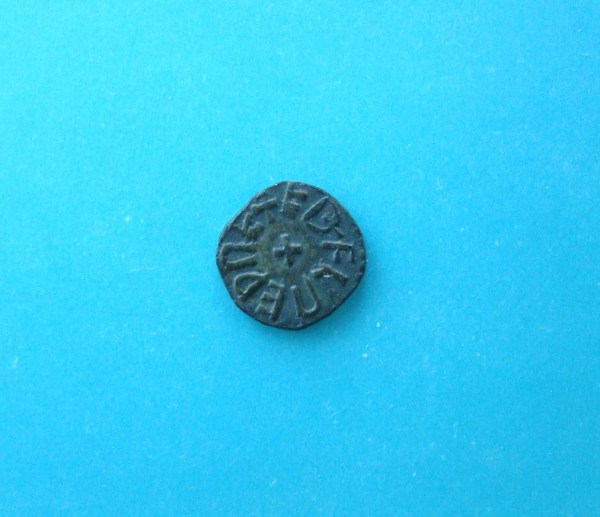
Aethelred II, 858-62, Styca
$197.00 -
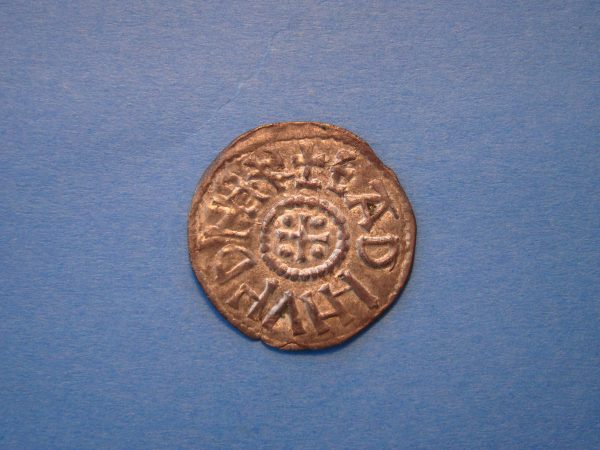
Aethelweard, 845-55, 1D, near MINT STATE EXAMPLE
$7,450.00 -
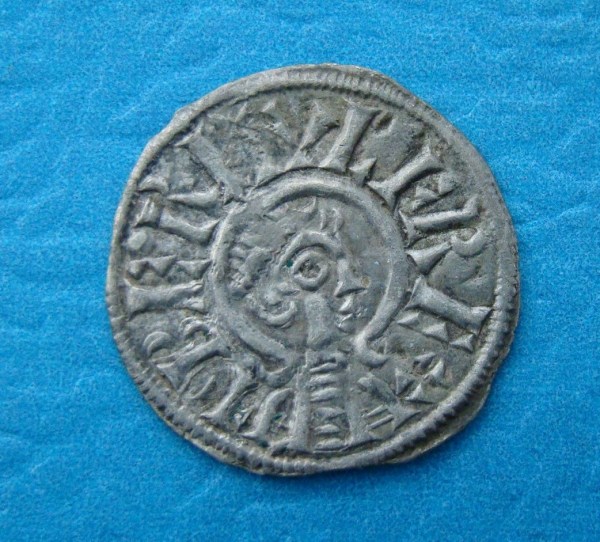
Berhtwulf, 840-52, 1d, PEDIGREE COIN
$19,700.00