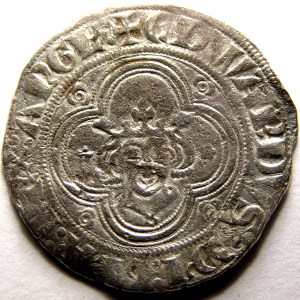
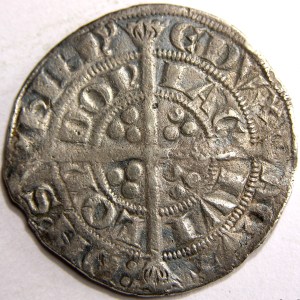
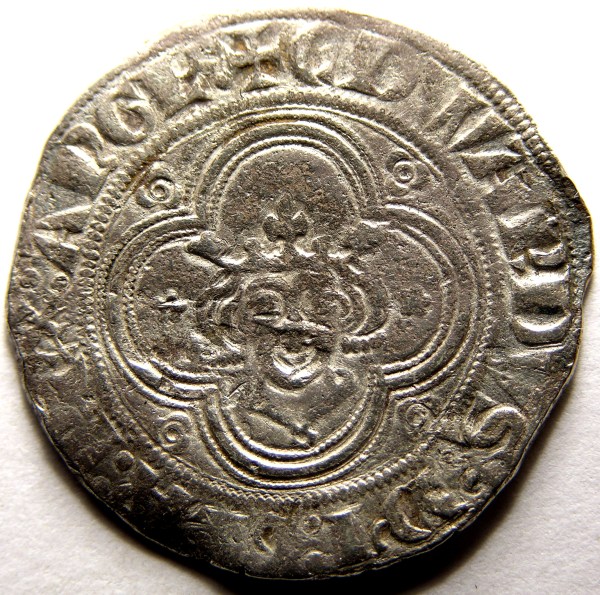
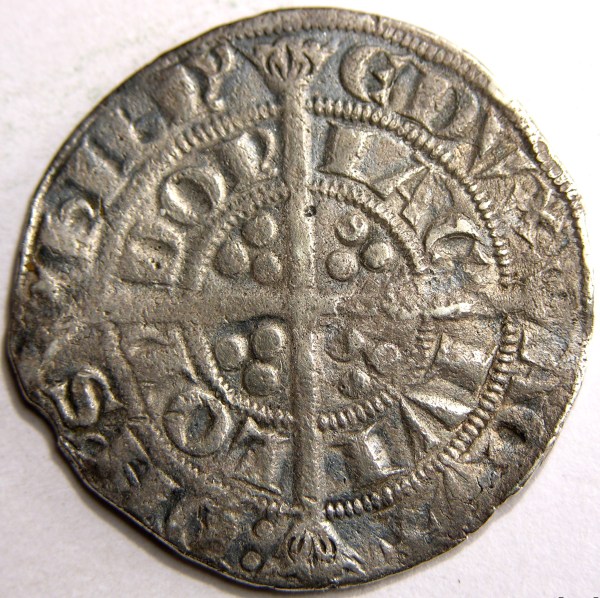
Edward I, 1280-1282, 4D
$10,700.00
S1379/N1007 Fox Type 7 Edward’s coinage reform of 1279 saw the first real attempt by any English king to issue a silver coin larger than the penny. William de Turnmire, Master of the Royal Mint, was issued an indenture on 8 December 1279 to take effect from 2 January 1280, requiring the production of the groat of the same fineness as the sterling penny. Since 243 sterlings were made from a Tower pound of silver, (temporarily increased to 245 in 1280-1), groats would have been made at a rate of 60.75 or 61.25 per Tower pound, with a theoretical average weight of 88.89 grains (5.76 g) or 88.16 grains (5.71 g). Die studies show that a great number of dies were produced indicating that the groat was produced in some quantity. Nevertheless, it appears that production stopped sometime in 1281 or 1282. The lack of Edward I groats in hoards from this period indicate that the coins were withdrawn from circulation or hoarded and melted. William de Turmire ledgers also indicate another reason why the groat may not have lasted; their were no profits to the king. For every groat coined Edward lost the seigniorage of four pennies that could have been made in its place, this was a loss to the treasury that no monarch would willingly suffer for long. Whatever the reason most of the surviving examples appear to have been gilded and made into medieval jewelry or keepsakes. However, unlike most, this coin has never been gilded and never mounted and obviously did circulate. A GVF example, also ungilt was sold in a Stacks-Bowers auction in Jan 2022 for $11000 plus buyers fee. Sold with an old collectors ticket. VF
S1379/N1007 Fox Type 7 Edward’s coinage reform of 1279 saw the first real attempt by any English king to issue a silver coin larger than the penny. William de Turnmire, Master of the Royal Mint, was issued an indenture on 8 December 1279 to take effect from 2 January 1280, requiring the production of the groat of the same fineness as the sterling penny. Since 243 sterlings were made from a Tower pound of silver, (temporarily increased to 245 in 1280-1), groats would have been made at a rate of 60.75 or 61.25 per Tower pound, with a theoretical average weight of 88.89 grains (5.76 g) or 88.16 grains (5.71 g). Die studies show that a great number of dies were produced indicating that the groat was produced in some quantity. Nevertheless, it appears that production stopped sometime in 1281 or 1282. The lack of Edward I groats in hoards from this period indicate that the coins were withdrawn from circulation or hoarded and melted. William de Turmire ledgers also indicate another reason why the groat may not have lasted; their were no profits to the king. For every groat coined Edward lost the seigniorage of four pennies that could have been made in its place, this was a loss to the treasury that no monarch would willingly suffer for long. Whatever the reason most of the surviving examples appear to have been gilded and made into medieval jewelry or keepsakes. However, unlike most, this coin has never been gilded and never mounted and obviously did circulate. A GVF example, also ungilt was sold in a Stacks-Bowers auction in Jan 2022 for $11000 plus buyers fee. Sold with an old collectors ticket. VF
Related products
-

Aethelred II Unraed, 999-1002, 1d
$895.00 -
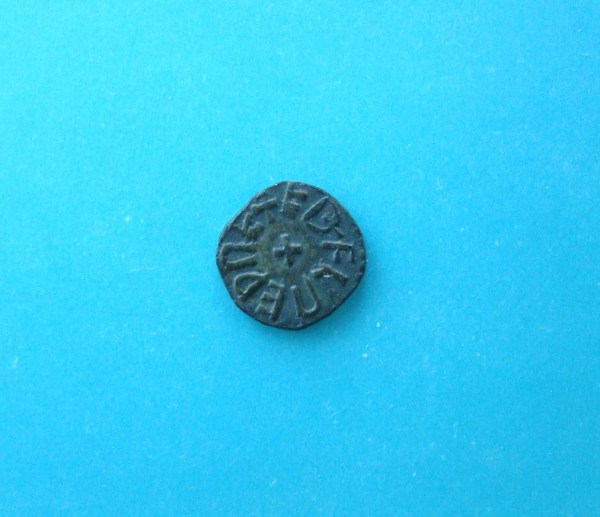
Aethelred II, 858-62, Styca
$197.00 -
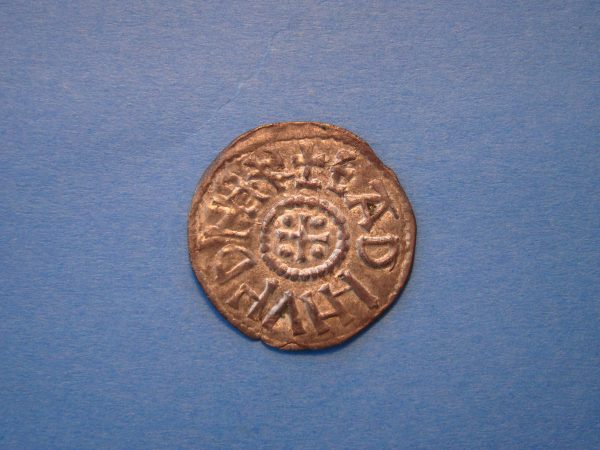
Aethelweard, 845-55, 1D, near MINT STATE EXAMPLE
$7,450.00 -
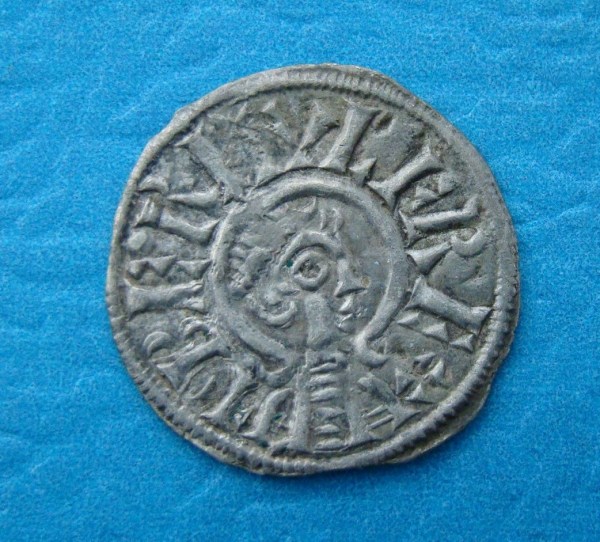
Berhtwulf, 840-52, 1d, PEDIGREE COIN
$19,700.00