
ROME, AURELIAN, Antoninianus, 274
$89.00
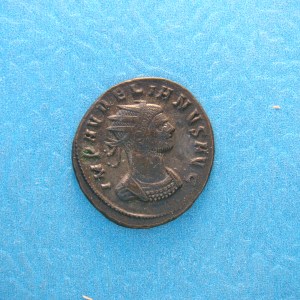
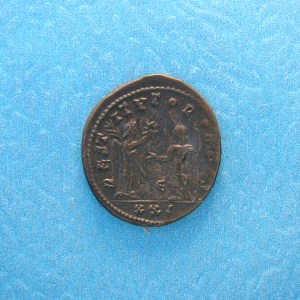
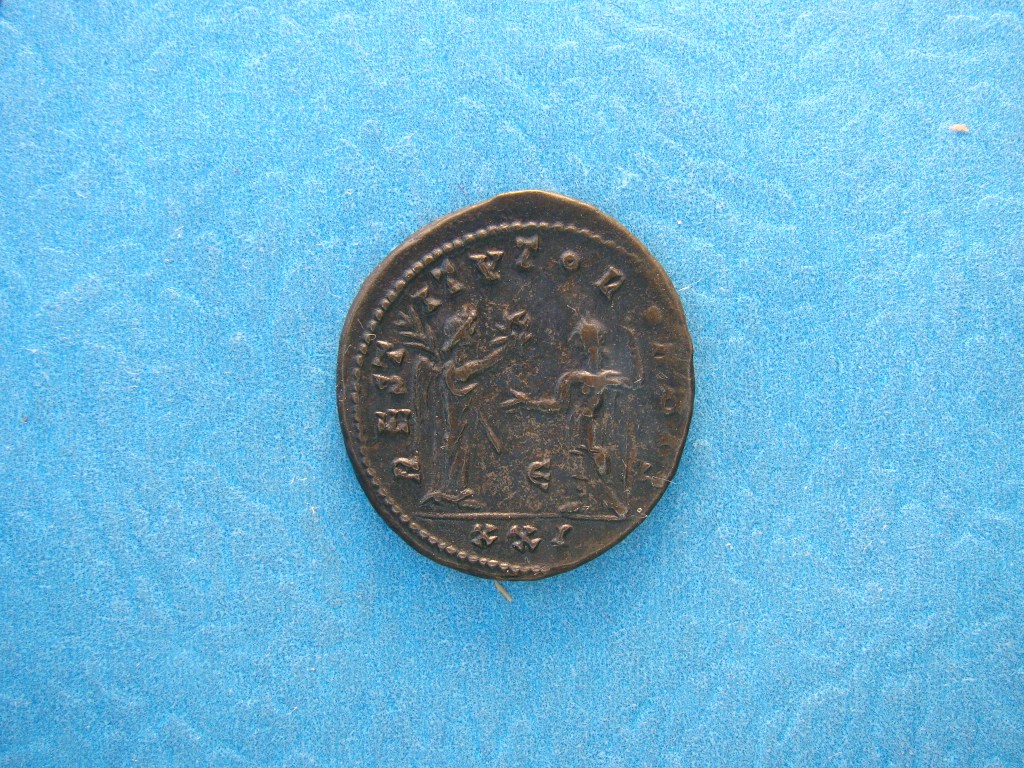
SEAR3165 Obv: Radiate, cuirassed bust facing right. “IMP AVRELIANVS AVG”. Rev” Victory stg. right holding a palm branch, presenting laurel wreath to Aurelian who is stdg left. E in field between them XXI in exergue. “RESTITUTOR ORBIS”. Following the assassination of Gallienus, the general Claudius Gothicus was declared emperor, his most trusted and capable general was a man named Lucius Domitius Aurelianus. When Claudius Gothicus died of natural causes in the summer of 270, Aurelian was declared emperor by his troops. In Aurelian, Rome had finally found an emperor capable of pushing back barbarian incursions. Over the next few years Aurelian repulsed barbarian tribes in northern Italia and Thrace, driving out the Goths, Vandals, Juthungi, Alamanni and Samathians. Aurelian then turned his attention to the east. In a series of battles he took back from the Palmyran Empire former territories of Rome including Syria, Palestine, Egypt and Pontus and also repelled attacks from the Sassanians. Having secured the east, in 274 Aurelian now turned his attention on the Gallic Empire which had been formed two decades earlier from the provinces of Gaul, Britannia and Germania by Postumus. The Gallic Empire fell quickly when its own emperor, Tetricus, defected to Aurelian. With the empire restored (except for the province of Dacia), the senate declared Aurelian, “restitutor orbis”, restorer of the world. Aurelian brought many needed reforms to the empire, reforms which really irked some bureaucrats accustomed to taking a little off the top. In 271 the rationalis (chief bureaucrat) of the mint, Felicissimus, provoked his fellow mint workers to revolt, when Aurelian accused him of adulterating the coinage. This practice had gone on for some time with the Roman mint workers sharing in the bounty. Having become accustomed to this extra bonus, they decided to fight. Supported by a number of senators and wealthy magnates who also disliked Aurelian’s reforms because they cut into their own illegal operations, a surprisingly large number of Roman citizens rose up. The rebelling mob was put down with much slaughter and the mint at Rome was closed down for a number of years due to lack of coiners. Undeterred, Aurelian continued his reforms. He built the massive walls around Rome which (partially) exist to this day as well as reformed the coinage. In 275 Aurelian set out on another campaign against the Sassanians. A civil war had weakened the Sassanian empire and Aurelian decided to take advantage of the situation. However, Aurelian never reached Persia. While in Thrace, Aurelian was murdered by officers of the Praetorian Guards who feared that Aurelian had discovered their corruption and planned to have them punished. Dark toned with a nice portrait. wt 4.1 gr EF
SEAR3165 Obv: Radiate, cuirassed bust facing right. “IMP AVRELIANVS AVG”. Rev” Victory stg. right holding a palm branch, presenting laurel wreath to Aurelian who is stdg left. E in field between them XXI in exergue. “RESTITUTOR ORBIS”. Following the assassination of Gallienus, the general Claudius Gothicus was declared emperor, his most trusted and capable general was a man named Lucius Domitius Aurelianus. When Claudius Gothicus died of natural causes in the summer of 270, Aurelian was declared emperor by his troops. In Aurelian, Rome had finally found an emperor capable of pushing back barbarian incursions. Over the next few years Aurelian repulsed barbarian tribes in northern Italia and Thrace, driving out the Goths, Vandals, Juthungi, Alamanni and Samathians. Aurelian then turned his attention to the east. In a series of battles he took back from the Palmyran Empire former territories of Rome including Syria, Palestine, Egypt and Pontus and also repelled attacks from the Sassanians. Having secured the east, in 274 Aurelian now turned his attention on the Gallic Empire which had been formed two decades earlier from the provinces of Gaul, Britannia and Germania by Postumus. The Gallic Empire fell quickly when its own emperor, Tetricus, defected to Aurelian. With the empire restored (except for the province of Dacia), the senate declared Aurelian, “restitutor orbis”, restorer of the world. Aurelian brought many needed reforms to the empire, reforms which really irked some bureaucrats accustomed to taking a little off the top. In 271 the rationalis (chief bureaucrat) of the mint, Felicissimus, provoked his fellow mint workers to revolt, when Aurelian accused him of adulterating the coinage. This practice had gone on for some time with the Roman mint workers sharing in the bounty. Having become accustomed to this extra bonus, they decided to fight. Supported by a number of senators and wealthy magnates who also disliked Aurelian’s reforms because they cut into their own illegal operations, a surprisingly large number of Roman citizens rose up. The rebelling mob was put down with much slaughter and the mint at Rome was closed down for a number of years due to lack of coiners. Undeterred, Aurelian continued his reforms. He built the massive walls around Rome which (partially) exist to this day as well as reformed the coinage. In 275 Aurelian set out on another campaign against the Sassanians. A civil war had weakened the Sassanian empire and Aurelian decided to take advantage of the situation. However, Aurelian never reached Persia. While in Thrace, Aurelian was murdered by officers of the Praetorian Guards who feared that Aurelian had discovered their corruption and planned to have them punished. Dark toned with a nice portrait. wt 4.1 gr EF
Related products
-

AETHELHEARD, 798-805, 1D, A PEDIGREE COIN
$6,529.00 -

Aethelweard, 845-55, 1D, near MINT STATE EXAMPLE
$7,450.00 -
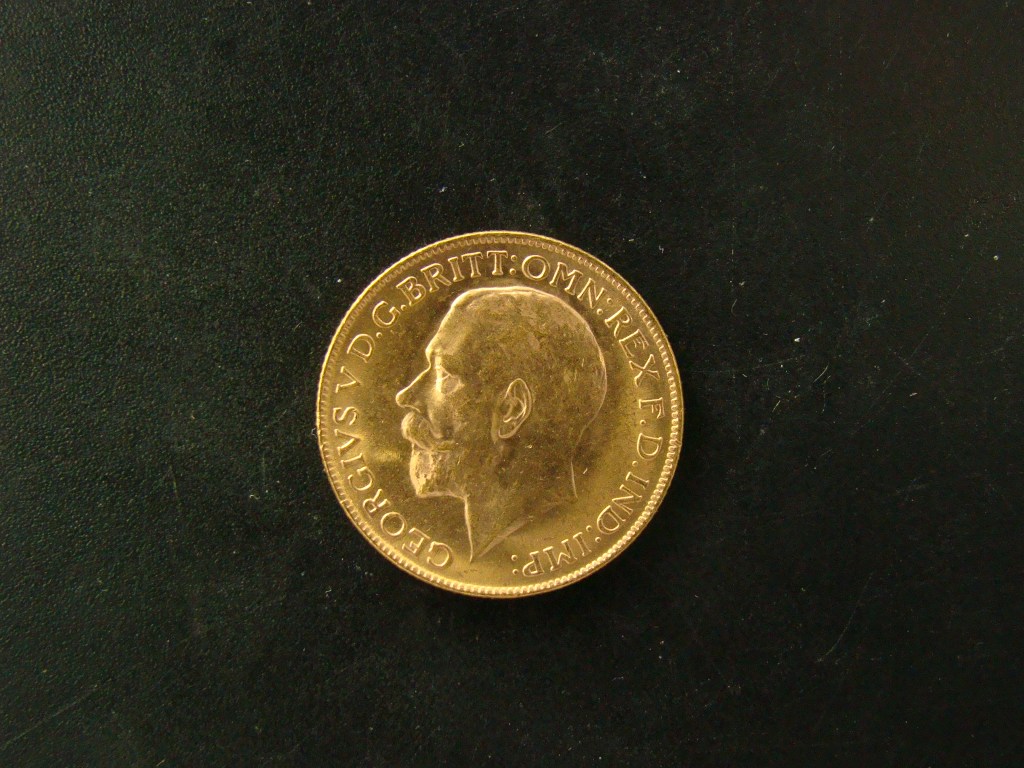
Australia Sovereign 1927P*
$1,315.00 -

Australia, 1871S, Sovereign
$1,159.00