
FLANDERS, 1322-46, Petit Gros
$59.00
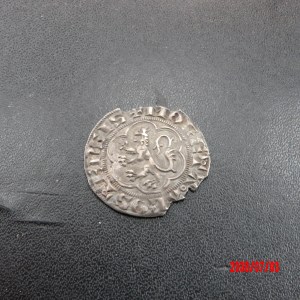
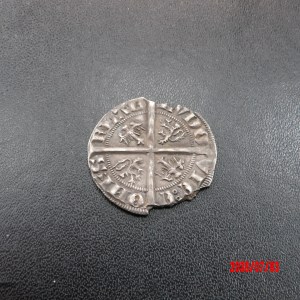
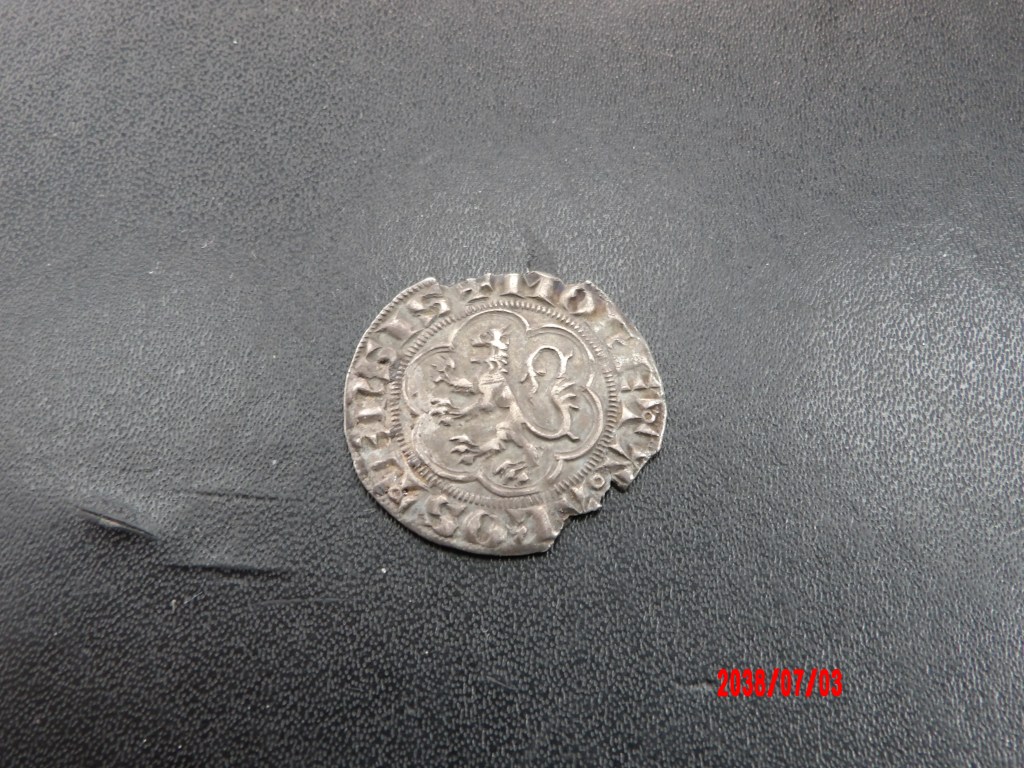
Issued by Louis I Count of Flanders and Nevers. Louis became Count of Flanders in 1322 at the age of eighteen. He initially was under the influence of the pro French regent, John of Namur, who arranged the marriage of Louis to Margaret of Burgundy the second daughter of the King of France. The resulting pro French alignment did not sit well with the populace, as their livelihood depended greatly on the English wool trade which was now being dictated by a hostile France. Taxes were also increased and in 1323 a general uprising occurred that would last for the next seven years. In 1325 Louis was captured by the rebels and forced to make concessions and grant amnesty to the rebels. However, Louis’ promises were worthless and were repudiated as soon as he could scurry away. In 1326 King Charles IV of France negotiated a peace treaty which lasted only a year before the rebellion flamed up. At this point in history new players arrived on the scene. The young, aggressive English king, Edward III came to power, while the equally aggressive and wily Philip VI became King of France. In 1328 Philip sent a French army into Flanders and won a decisive victory over the rebels at Cassel in 1328. Count Louis was returned to power, but peace would not last. In 1337 the Hundred Years War kicked off when Edward III claimed the throne of France and invaded. Louis remained faithful to the French throne, but under the treat of an English blockade, Flanders once again erupted into insurrection. Louis fled his county and died at the Battle of Crecy, one of 1,582 French noblemen to perish in that battle. under a hail OBV: Lion rampant in tressure of eight lobes, “+ MONETA.ALOSTENSIS. REV: Long with a lions and eagles in opposing quarters. “LVDOVI : COMES FLAD” Sharpe evenly struck with steel grey tone. GVF
Issued by Louis I Count of Flanders and Nevers. Louis became Count of Flanders in 1322 at the age of eighteen. He initially was under the influence of the pro French regent, John of Namur, who arranged the marriage of Louis to Margaret of Burgundy the second daughter of the King of France. The resulting pro French alignment did not sit well with the populace, as their livelihood depended greatly on the English wool trade which was now being dictated by a hostile France. Taxes were also increased and in 1323 a general uprising occurred that would last for the next seven years. In 1325 Louis was captured by the rebels and forced to make concessions and grant amnesty to the rebels. However, Louis’ promises were worthless and were repudiated as soon as he could scurry away. In 1326 King Charles IV of France negotiated a peace treaty which lasted only a year before the rebellion flamed up. At this point in history new players arrived on the scene. The young, aggressive English king, Edward III came to power, while the equally aggressive and wily Philip VI became King of France. In 1328 Philip sent a French army into Flanders and won a decisive victory over the rebels at Cassel in 1328. Count Louis was returned to power, but peace would not last. In 1337 the Hundred Years War kicked off when Edward III claimed the throne of France and invaded. Louis remained faithful to the French throne, but under the treat of an English blockade, Flanders once again erupted into insurrection. Louis fled his county and died at the Battle of Crecy, one of 1,582 French noblemen to perish in that battle. under a hail OBV: Lion rampant in tressure of eight lobes, “+ MONETA.ALOSTENSIS. REV: Long with a lions and eagles in opposing quarters. “LVDOVI : COMES FLAD” Sharpe evenly struck with steel grey tone. GVF
Related products
-
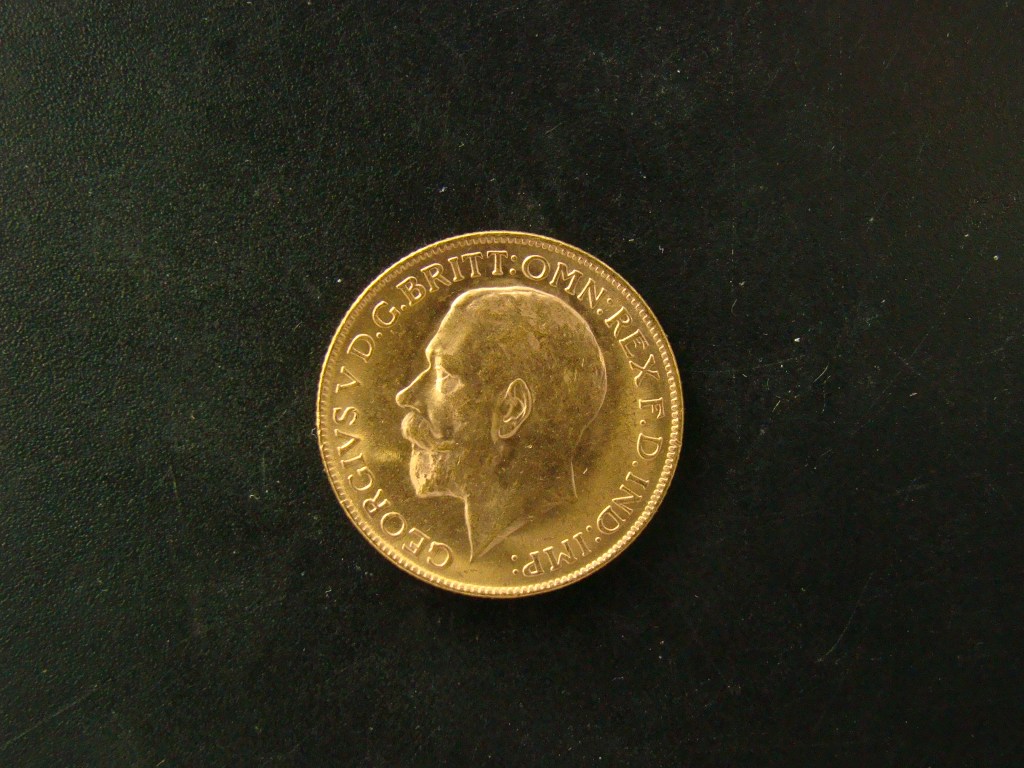
Australia Sovereign 1927P*
$1,315.00 -

AUSTRALIA, $10, 1985 *
$58.00 -

Australia, 1874M, Sovereign*
$1,325.00 -

Australia, 1874S, Sovereign*
$1,105.00